



If you are lactose intolerant, you know the struggle of finding a protein powder that doesn’t upset your stomach. Despite so many options for different protein powders, it can still be hard to find lactose-free ones.
So, we did the work for you. Below are 5 of the best protein powder types for those who suffer from lactose intolerance.
Pea protein


Pea protein is a popular plant-based protein powder that is suitable for vegetarian and vegan dieters. The exclusion of animal products includes dairy, which means no worrisome lactose to upset your stomach.
It’s also been shown to be pretty comparable to the benefits of whey protein for those looking to build muscle; however, it has less protein by volume [1, 2].
Pea protein is also a great option for individuals with a lot of dietary restrictions or certain allergies as it is often considered hypoallergenic and is free of gluten, dairy, and soy.
However, those who are allergic to peas, beans, legumes, peanuts, and tree nuts may want to avoid pea protein as it could trigger an allergic reaction in these individuals [3].
Pea protein is also rich in fiber and tends to digest easily compared to other types of protein powder. Always look for pea protein products that contain only pea protein and no other additives if you have food allergies.
Soy Protein
Protein powders made from soy are a great option for those who require lactose-free products. It is also suitable for both vegan and vegetarian diets as it is made from protein that comes from soybeans.
Despite it being a plant protein like pea protein, soy contains all 9 essential amino acids and can be as effective as other protein powders at building muscle.
Additionally, soy is a rich source of isoflavones, which are compounds that may provide health benefits, including promoting heart health by helping to reduce cholesterol levels [4, 5].
However, if you are allergic to soy or peanuts you should avoid taking soy protein powders as it could result in an allergic reaction. Additionally, if you suffer from kidney disease or bladder cancer soy protein powder use could worsen these conditions.
Collagen

While collagen powders are often seen as a beauty supplement, they also work effectively as a protein powder for lactose intolerant people. Collagen powders often provide 20 grams of grass-fed collagen, which is about 18 grams of protein that can be easily mixed into your favorite beverage.
Collagen powder is naturally dairy-free and it is broken down making it easier to digest than many other types of protein powders. Because of this, it can be a great option for those who tend to have digestive discomfort from traditional protein powders, even if they don’t have an intolerance to dairy.
As an added benefit, collagen is believed to provide many potential health benefits including supporting gut health and promoting skin and joint health. It may also help aid in injury prevention [6].
Collagen powder can come from a variety of animal sources and may contain fish, shellfish, or eggs. Those who are allergic to these foods should read the supplement label carefully to ensure they know what source of collagen was used and if it has been exposed to these foods to avoid an allergic reaction.
Hemp Protein
For another lactose-free protein powder option, you have hemp protein. While it’s not as common as some of the protein powders mentioned above, hemp protein powders can be a great dairy-free, soy-free, gluten-free option that is suitable for vegan and vegetarian diets.
While it is plant-based like pea protein and soy protein, it’s also a complete protein with a rich fiber source, antioxidants, and healthy fats. It may be a little harder to find in stores but it is widely available online and can be a great twist on traditional protein powders especially if you are looking to use protein for weight loss or maintenance.
Those who are allergic to cannabis may also be allergic to hemp and should avoid taking hemp seed protein products.
Whey Protein Isolate

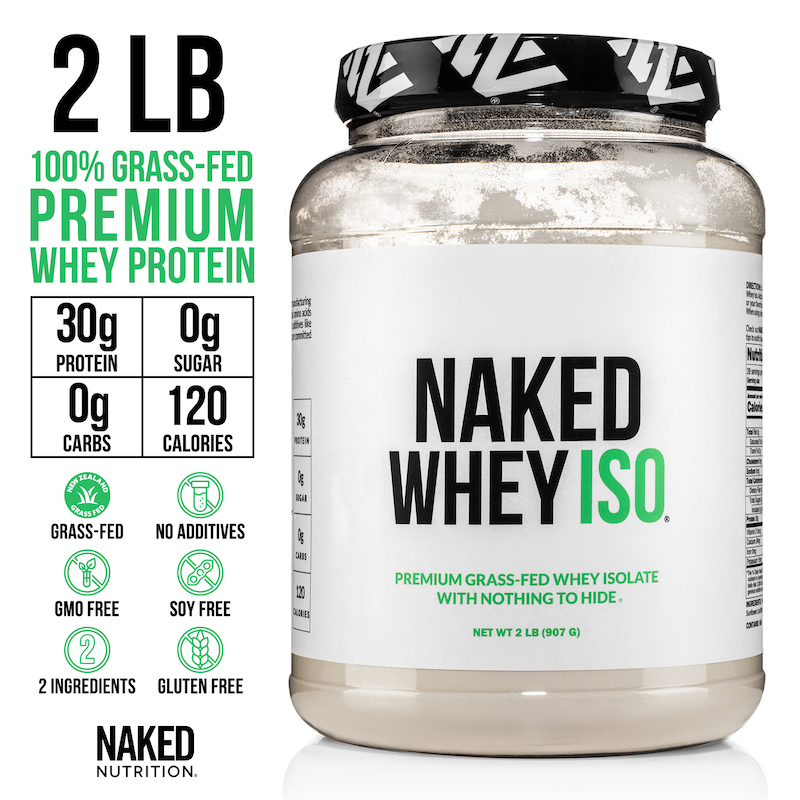
If you have lactose intolerance but really want to take a whey protein powder, choosing a whey protein isolate such as Naked Whey Iso will give you the benefits of a high-quality protein powder without the consequences of high lactose content.
Naked Whey Iso contains only 0.1g of lactose per serving and is well tolerated by most people with mild lactose issues. To put that into perspective, a cup of milk typically contains about 12-13g of lactose [7].
While lactose intolerance can be a bummer, it doesn’t mean you have to suffer the consequences of traditional protein powders made with dairy. There are many great options for dairy-free protein powders that might even come with additional health benefits.
Disclosure: collaborative post
Thank you for reading - if you enjoyed this content, please consider buying me a coffee here or browse my Amazon wishlist I really appreciate your support and it helps to keep the site running and for my time 🙂