
Zoopla’s figures reveal that UK homeowners stay in their properties for about 21 years on average before moving house, with Londoners staying put for over 35 years. People often move and remain in houses for shorter times during their early years of home ownership. However, it’s safe to assume you will eventually settle into a family home, and it is vital to create one that will adapt to its occupants’ changing lifestyle needs. Fortunately, you can make many smart design choices that will serve you and your family well now and in the future. Consider these points about future-proofing your home.
- Make your home smart
There are reportedly 2.22 million smart homes in the UK, and many experts are confident this number will only keep increasing with time. Consequently, now is the time to invest in smart home technology for your home renovation. Smart technology allows homeowners to remotely control lighting, heating and cooling, surveillance systems, locks, and even some appliances using smartphones and tablets. These technologies are worth investing in to make your home more convenient in the future.
- Create an en-suite bathroom
En-suite bathrooms are fast becoming the norm in interior design, and many experts recommend hopping on this trend to future-proof your home. Perhaps you are unmarried and have no children yet, but there’s a good chance that this will change in the future. Therefore, building an en-suite bathroom is a great way to future-proof your house for when it becomes a lot busier. This way, you can avoid morning rushes for the bathroom when you have school-age kids and teenagers. It is certainly better to experience the slight disruption of building one now than later when you have small children running about. There are many en-suite bathroom design styles you can choose from based on your needs, so keep this in mind.
- Invest in smart storage solutions
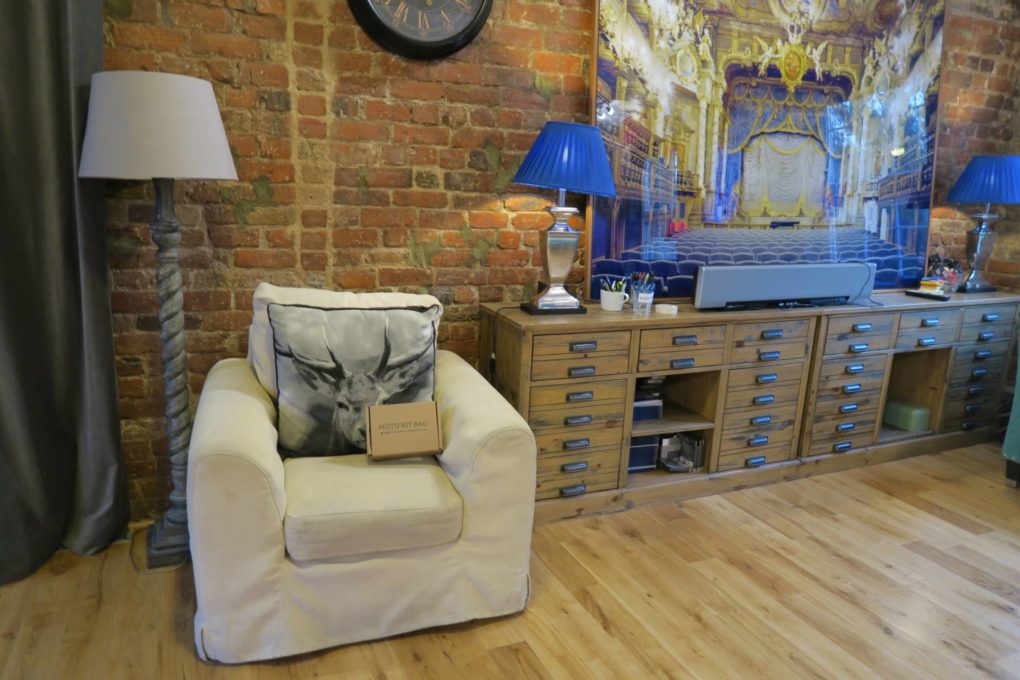
Insufficient storage space remains one of the biggest reasons why many homeowners in the UK and beyond don’t remain in their property-long term, especially when their family starts growing. Therefore, it is vital to invest in smart storage solutions to ensure that your home can continue to serve your needs even in the future. You will undoubtedly discover many quick-fix hacks online, but built-in storage units are the best way to make the most of free space from floor to ceiling. Consequently, invest in built-in closets and cupboards that will help you organise and hide clutter, complete with shelves, drawers, and hanging racks. Built-in TVs, wine racks, and bookshelves are also nice ways to utilise your wall space while improving your home interior’s aesthetics.
- Conduct energy-efficient improvements
Energy-efficient homes are, without a doubt, the future of housing. Although replacing outdated appliances with energy-efficient alternatives may be costly upfront, this will be quite cost-effective in the long run. Besides the monthly savings, newer and high-end appliances are built to last. You can replace your old toilets with low-flow options and replace your single-paned windows with energy-efficient double-paned ones. Finally, replace outdated insulation with newer alternatives like spray insulation, which is less toxic.
Disclosure: collaborative post
Thank you for reading - if you enjoyed this content, please consider buying me a coffee here or browse my Amazon wishlist I really appreciate your support and it helps to keep the site running and for my time 🙂
1 Comment
Definitely some helpful tips. I agree with the smart home thing, especially considering when smart homes are projected to only become more popular with time. I’m really curious to see what new technologies evolve though since it seems to change every decade. I guess time will tell ultimately.
August 18, 2022 at 4:20 am