
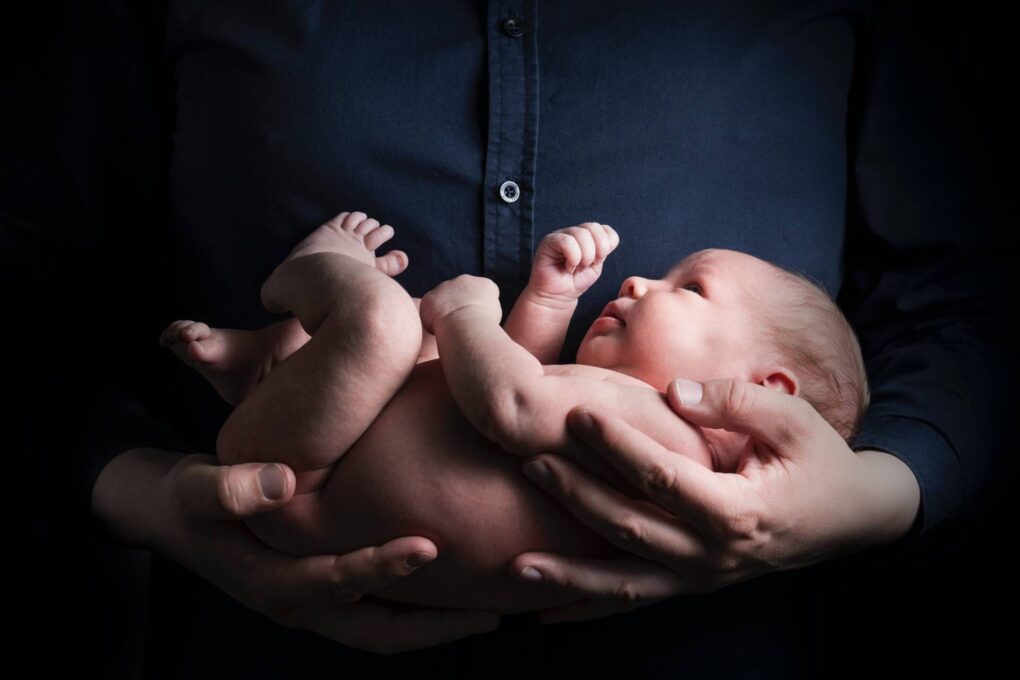
A newborn baby isn’t born with a fully functioning immune system, meaning they are susceptible to many common ailments most people wouldn’t bat an eyelid over. However, as their immune system isn’t fully functioning until around two to three months old, fully maturing at aged 7-8, even the most minor ailments can take their toll on your baby’s body.
For this reason, it is essential to ensure you are making sure you are careful around exposing your newborn to airborne viruses and bacteria around the home to give their immune system a chance to develop and fight off anything they catch.
This post looks at some common illnesses babies tend to get and what symptoms to look out for.
Coughs and Related Breathing Issues
A one-off little cough from your baby isn’t likely to be anything to worry about; however, if the cough increases in frequency, worsens, or makes your baby sick when coughing, you need to get this checked out by a doctor as soon as possible to find the cause of the cough.
Pay attention to how they breathe, too, especially when associated with a cough. Are they making a whistling sound when breathing or gasping for air? These signs can be present if something is affecting your baby’s ability to break and can be a cause for concern.
Fever
As you would imagine, babies can frequently come down with a fever as their little bodies fight off germs and viruses they come into contact with. Babies under 3 months should see a doctor if their temperature is 38 degrees or higher. For babies three months and over, see medical attention if they have other symptoms too. Knowing what is baby fever and what to look out for can help you get the proper care and medication to help them fight off whatever is causing the temperature.
Colds
Colds in babies typically looks like they do in adults with a potential low-grade fever, mild cough, runny or blocked nose and a general feeling of being unwell, leading to irritation and reduced appetite. It can be pretty distressing to see your baby has a cold, and while many colds will go on their own, there are some things you can do to make things easier on them. Using saline nasal drops can be effective, as can using a nasal aspirator.
Upset Stomach/Vomiting
Vomiting in newborn babies or regurgitation can be common. Many babies will be sick a little bit after feeding due to reflux or inability to release wind after a feed. If your baby is vomiting outside of feed times or is bringing back up a whole feed, then it is worth getting this looked into by your doctor to ascertain the cause and get any treatment. Try to keep your baby well hydrated in the meantime by talking to your doctor or health visitor for the best and latest information on keeping babies hydrated when vomiting.
Conclusion
It can be a worrying time when your newborn baby is ill; however, it always helps at hand by telling your doctor, health visitor, or pharmacist or calling 111 to get medical advice on treating your baby.
Disclosure: collaborative post
Thank you for reading - if you enjoyed this content, please consider buying me a coffee here or browse my Amazon wishlist I really appreciate your support and it helps to keep the site running and for my time 🙂