

Pregnancy can be an exciting but challenging stage. No two pregnancies are the same, so it helps to be well-informed about the possible health challenges that often arise. Data shows that most pregnancies progress smoothly, while 130,000 are considered high-risk every year. Some of these conditions may be nothing to worry about because they can be treated with prescribed medications, whereas others require constant monitoring until delivery. This discussion explores three such issues that are common in every few pregnancies and how to regain your health during the journey.
- Hyperemesis gravidarum

This is an extreme form of morning sickness characterised by nausea and vomiting several times daily. Morning sickness is well-known in early pregnancy, and that is due to the rapid increase in changes happening in the body. Pregnancy hormones trigger nausea and vomiting and usually occur in the first few weeks of pregnancy. It can happen at any time of the day and can be quite uncomfortable. In hyperemesis gravidarum, however, everything is in its extreme form and may require hospitalisation to replace lost fluids in the hope of saving mother and child. This common pregnancy challenge happens in the first trimester when the pregnancy hormone, hCG, works overtime to sustain conception for nine months. Hyperemesis gravidarum can only be managed until symptoms dissipate on their own. However, specialists recommend frequent meals, ginger consumption, and constant hydration to alleviate symptoms. The goal is to replenish lost energy to avoid feeling weaker than you already are.
- Gestational diabetes
This is a type of diabetes that develops only in pregnancy; fortunately, it can be managed with the right treatment plan. Gestational diabetes happens when your pregnant body is unable to produce sufficient insulin to meet your needs. It is characterised by high blood sugar levels that have the potential to disrupt the mother’s health or the baby in utero. That explains why regular glucose testing is crucial throughout the pregnancy period. The Oral Glucose Tolerance Test, or the OGTT, may be a one-time check but will be followed by monthly urine tests to ensure the mother and baby’s safety. The secret to better outcomes is to detect gestational diabetes early, making it vital to visit an endocrinology clinic. These places are staffed with experts experienced in these common pregnancy health conditions. Gestational diabetes can be controlled or managed with dietary guidance and insulin therapy in some cases. You will be required to make a lifestyle change to enhance your chances of safe delivery of your baby and reclaiming your health.
- Pre-eclampsia
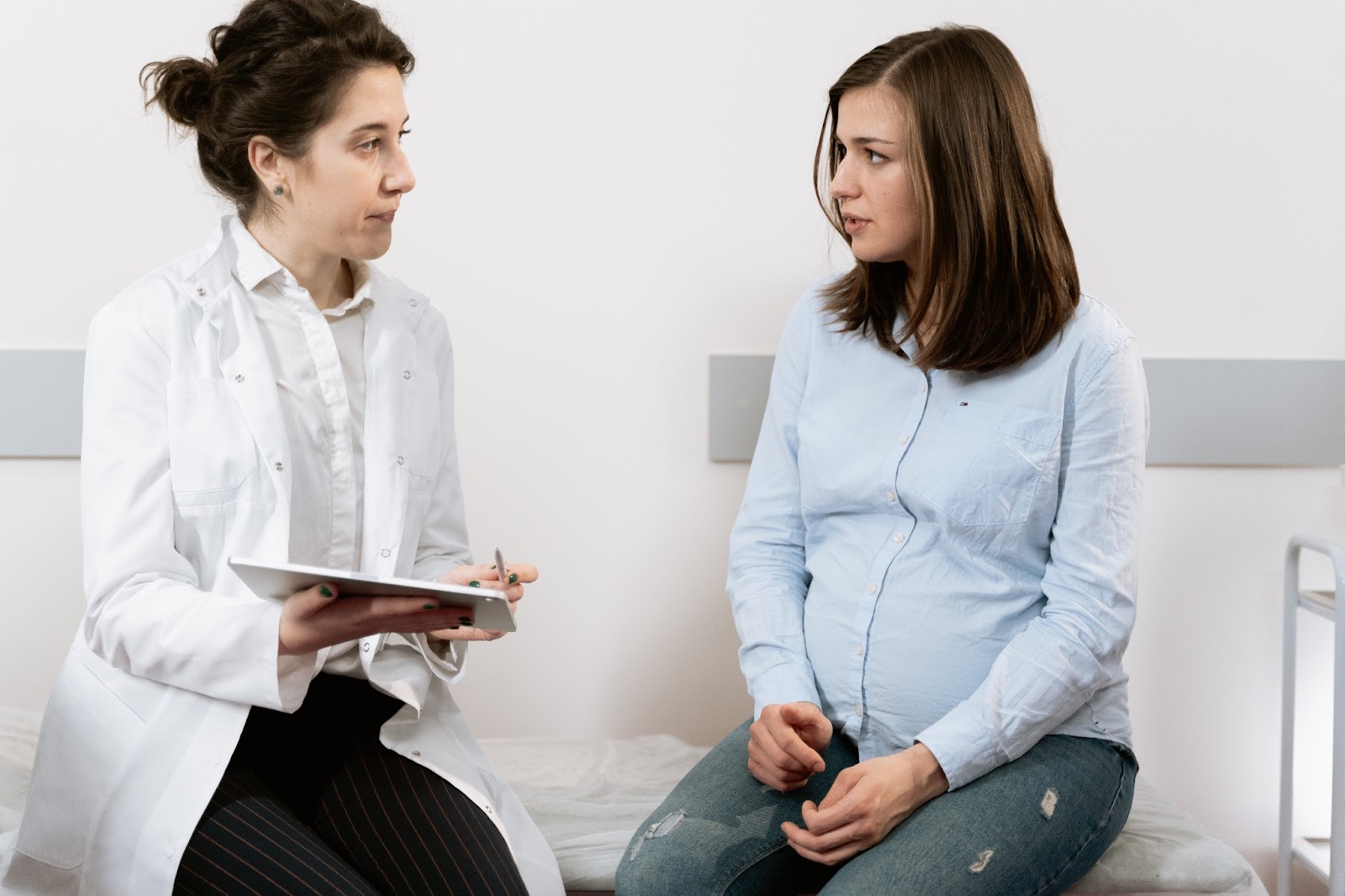
This condition usually happens in the 20th week of pregnancy, and many women have had firsthand experience with this health issue. It involves high blood pressure and an increased risk of damage to vital organs like the kidneys and liver. Pre-eclampsia can lead to severe complications for the baby and its mother if medications fail to bring it under control. There is ongoing research to ascertain the actual cause of pre-eclampsia in pregnant women; however, scientists believe it may be related to placenta and blood vessel problems.
That explains why regular antenatal care cannot be overlooked in pregnancy, whether it is your first time or not. The goal is to monitor and bring high blood pressure under control to prevent complications. That is when specialists and obstetricians work together to manage the condition until you deliver safely. Your physician may recommend regular blood pressure checks after delivery to ensure you are out of danger.
Disclosure: collaborative post
Thank you for reading - if you enjoyed this content, please consider buying me a coffee here or browse my Amazon wishlist I really appreciate your support and it helps to keep the site running and for my time 🙂