
Table of Contents
- Introduction to Caribbean Markets
- Understanding the Cultural Significance
- Must-Visit Caribbean Markets
- Unique Products and Local Crafts
- Tips for Bargaining Like a Local
- Sustainability in Shopping
- Pros and Cons of Shopping Locally
- Final Tips for a Memorable Shopping Experience
Introduction to Caribbean Markets
Stepping into a Caribbean market is akin to opening the first page of a captivating cultural storybook. The vibrant colors, lively sounds, and intoxicating scents set the stage for an immersive experience tantalizing every sense. These markets are bustling arenas where local life thrives openly. Imagine pathways packed with freshly harvested fruits, their vibrant hues reflecting the lush landscapes of the isles. Here, exotic herbs and spices tantalize your senses and tell a story of culinary traditions passed down through generations. For those seeking diversity and exceptional variety, the Caribbean stands out as a compelling shopping destination, offering an array of selections that embody the spirit of each island.
Beyond the tangible offerings, these markets are cultural epicenters where visitors can engage with the local ethos. Each stall and transaction represents a small piece of the island’s way of life. Whether you’re a seasoned shopper or a curious traveler looking to delve deeper into the heart of the Caribbean culture, these markets promise an experience that enriches and excites, providing a unique opportunity to connect with the community and its traditions.
Understanding the Cultural Significance
The Caribbean markets are far more than commercial hubs; they are the lifeblood of the community, where cultural heritage is celebrated and preserved. These vibrant gathering places showcase an unrivaled blend of tradition and innovation. Vendors, often artisans and farmers, continue age-old practices while introducing modern twists to appeal to new generations. These markets become educational spaces by exchanging goods, stories, and smiles, bridging gaps between tourists and locals. Satellite events frequently enhance market days, including musical shows and food celebrations, which celebrate the vibrant cultural diversity of the Caribbean. By shopping in these spaces, consumers contribute directly to the preservation and prosperity of these artistic traditions, reinforcing the significance of these lively venues in their cultural context.
Must-Visit Caribbean Markets
The Caribbean islands boast numerous markets, each imbued with its own charm and distinct array of products. The ever-zealous Port of Spain market in Trinidad is a sensory feast, with lively chatter echoing through its vibrant aisles displaying a kaleidoscope of goods—from seafood just off the boat to spices embody the essence of Trinidadian cuisine. In Jamaica, the renowned Kingston market pulses with reggae rhythms as vendors offer a fusion of traditional goods and contemporary treasures. These destinations stand as essential stops for immersing oneself in Caribbean culture. More than a place to purchase goods, each market tells a tale of its locale, providing a snapshot of its unique cultural landscape and community practices.
These bustling spaces invite visitors to explore the diversity that defines the Caribbean identity. From the busyness of major urban markets to more intimate village setups, they offer explorers an array of experiences and discoveries that capture the island zeitgeist in their authentic forms.
Unique Products and Local Crafts
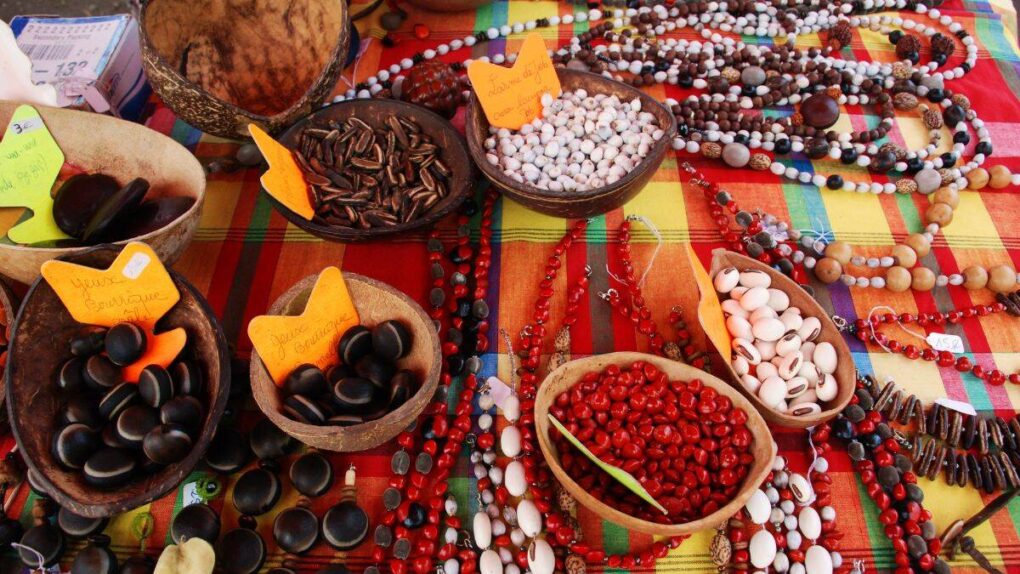
At the core of Caribbean markets is a rich tradition of craftsmanship that turns everyday shopping into a quest for beauty and uniqueness. Picture the scene: tables piled high with handcrafted goods, each piece with its narrative embedded in its creation. From stunning jewelry that highlights the region’s love affair with nature to brilliantly colored textiles reflecting the vibrant island life, these markets celebrate artistry. Artisans employ traditional techniques paired with new-age influences to create items as diverse as hand-woven baskets to luxurious spa products made from local flora. Markets here not only serve as commercial venues but also as accomplices in cultural transmission and economic sustainability. Explore the in-depth stories behind such craftsmanship by reading more on Caribbean craftsmanship, illustrating the skill and dedication emerging from these artisan communities.
Tips for Bargaining Like a Local
Central to the authentic experience of Caribbean markets is the art of bargaining—a tradition steeped in good-natured banter and mutual respect. Unlike the impersonal nature of large stores, these exchanges are personal, offering an engaging approach to securing a fair price. Those engaging in friendly haggling should remain amiable and respectful, starting with a cordial inquiry about the item’s value. Politeness paired with persistence usually unlocks the best outcomes. It’s about finding common ground and forming brief but meaningful connections with vendors. For enthusiasts, the negotiating process adds another layer of enjoyment to retail therapy, transforming it into a meaningful dialogue where both parties walk away enriched.
Sustainability in Shopping
The growing importance of sustainable practices resonates deeply within Caribbean market communities. Awareness and a collective commitment have promoted goods and sustainable practices, gaining traction among vendors and consumers. These markets often offer products crafted from recycled or sustainably sourced materials, encouraging buyers to make environmentally conscious choices without sacrificing quality or beauty. By fostering relationships with ethical suppliers and encouraging plastic alternatives, these markets transform the typical shopping expedition into a conscientious endeavor that respects and preserves natural resources. Dive deeper into understanding these initiatives by exploring sustainable shopping practices and guiding conscientious consumer habits while supporting local eco-friendly advancements.
Pros and Cons of Shopping Locally
The allure of local shopping in Caribbean markets can’t be overstated—they are gateways to authenticity and avenues through which the community flourishes economically. By selecting locally crafted goods, consumers can access exclusive items and engage in sustainable practices that bolster the economy and cultural fabric. However, the journey is not without its minor challenges. Shoppers may find that product availability varies seasonally, and the charm of small-scale operations might equate to a more limited selection compared to more prominent outlets. Despite these occasional hurdles, the positives weigh heavily in favor of local market shopping, providing a tangible connection to the cultural heartbeat of the region.
Final Tips for a Memorable Shopping Experience
Preparation can enrich your market adventure as you embark on this vibrant shopping experience. Always have local currency on hand, especially in smaller markets where electronic payments might not be an option. Dress comfortably and stay hydrated—market exploration can become an enjoyable but sizable walking tour. Embrace the unexpected. Uncovering the stories of the people behind the stalls or the origins of the products can turn a simple purchase into a meaningful narrative. Visitors looking to dive deeper should enter with an open mind and a welcoming spirit, ready to embrace both the offerings and the conversations that arise, turning an ordinary shopping journey into an extraordinary cultural exchange.
Disclosure: collaborative post
Thank you for reading - if you enjoyed this content, please consider buying me a coffee here or browse my Amazon wishlist I really appreciate your support and it helps to keep the site running and for my time 🙂