
Key Takeaways
- Understand the role of supplements in promoting longevity and combating age-related decline.
- Discover key nutrients that are beneficial for healthy aging.
- Learn about research that supports supplement use in age management.
In a world where the quest for longevity and vitality is a priority, nutritional supplements have become integral to healthy living, especially as we age. As we search for effective ways to maintain our energy and overall health, adopting the use of a NAD booster has gained attention. NAD (Nicotinamide Adenine Dinucleotide) boosters aim to sustain cellular health by enhancing metabolic processes, positioning themselves as a viable method for combating age-induced decline. With each passing year, it becomes increasingly vital to integrate health-boosting strategies—nurturing a cycle of renewal that can contribute to the overall quality of life as we age.
The journey to graceful aging often involves making conscientious lifestyle changes, and supplements are part of that mix. From supporting cognitive functions to boosting immunity, the right supplements can help bridge the gap left by an imperfect diet, ensuring that essential nutrients reach the body systems that need them. The aim is to not just add years to our lives but also ensure those years are vibrant and fulfilling.
Benefits of Nutritional Supplements in Aging
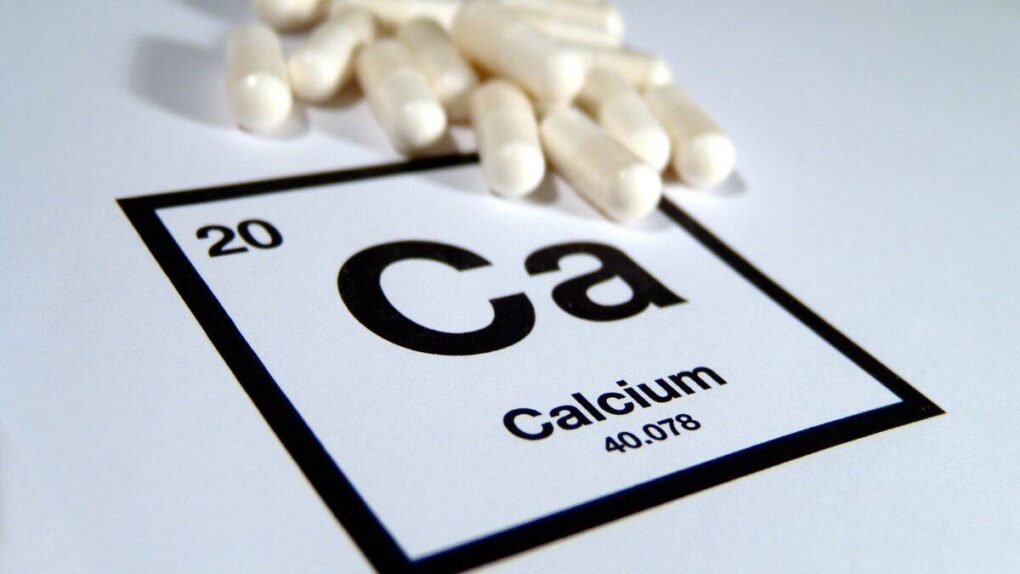
Nutritional supplements provide an array of benefits that are particularly advantageous as we age. They help prevent nutrient deficiencies that commonly occur due to diminished dietary intake and age-related decline in absorption efficiency. As outlined in a study by Harvard Health, supplements such as omega-3 fatty acids, vitamins B12 and D, and calcium are crucial as they aid in the preservation of bone density, cognitive function, and cardiovascular health. These supplements work collectively, ensuring that our systems operate smoothly even when our natural faculties begin to falter with age.
Key Nutrients for Longevity
To pave the way for longer, healthier lives, certain nutrients stand out for their longevity-promoting properties. Omega-3 fatty acids, notably found in fish oils, have been extensively studied for their ability to combat inflammation and support heart and brain health. Furthermore, vitamin D, often dubbed the “sunshine vitamin,” plays a crucial role in calcium absorption and immune function. Similarly, antioxidants like vitamins C and E defend the body against oxidative stress and free radicals, which are known to accelerate aging. Together, these nutrients create a robust framework for supporting good health at all stages of life.
The Science Behind Nutrient Efficacy
Scientific evidence supports the efficacy of numerous supplements in enhancing health and well-being as we age. Research has increasingly pointed to the efficacy of antioxidants and other bioactive compounds, which help mitigate oxidative stress—one of the primary factors of aging. Similarly, studies on NAD boosters reveal their ability to stimulate pathways crucial for cellular repair and energy production. By encouraging this cellular rejuvenation, they are perceived as key components in the fight against age-related degeneration.
Practical Tips for Integrating Supplements
Integrating supplements into a daily routine can be straightforward and effective. Begin with foundational multivitamins that provide broad nutritional coverage, then assess individual needs to add specific supplements. For instance, elderly individuals or those with specific health concerns might benefit from personalized supplements such as vitamin D for bone health or Omega-3 for cardiovascular support. Professional guidance from healthcare providers ensures a personalized supplementation plan that aligns with individual health goals and conditions.
Common Myths About Supplements and Aging
The landscape of nutritional supplements is fraught with misconceptions that can impair informed decision-making. A common myth is that taking supplements can completely substitute for a balanced diet. However, supplements are designed to enhance a nutritious diet, not replace it. Understanding these myths and the reality behind supplement efficacy is essential for making informed choices and avoiding common pitfalls associated with self-medication.
Balancing Diet and Supplements
An effective health strategy involves balancing whole foods with supplemental intake. While supplements can provide crucial nutrients that may be missing from your diet, whole foods like fruits, vegetables, grains, and proteins contain many components that work together synergistically. Ensuring your diet is rich in these foods helps optimize nutrient bioavailability and absorption of both dietary and supplemental nutrients, forming a holistic approach to health management.
Real-Life Success Stories
Many individuals report firsthand success by incorporating supplements tailored to their unique biological needs. These success stories often include increased vitality, improved cognitive function, and enhanced physical performance. By prioritizing health through appropriate supplementation and diet, individuals are witnessing a noticeable difference in their quality of life and ability to engage in everyday activities with vigor.
Future of Nutritional Supplements in Aging
The future of nutritional supplements is promising, with continual research offering new insights and innovative products. As our understanding of human biology deepens, the development of more effective and targeted supplements is anticipated. Staying informed about these trends through reliable sources like the World Health Organization promotes informed decision-making, ensuring we leverage the latest advancements to support our health as we age gracefully.
Disclosure: collaborative post
Thank you for reading - if you enjoyed this content, please consider buying me a coffee here or browse my Amazon wishlist I really appreciate your support and it helps to keep the site running and for my time 🙂