


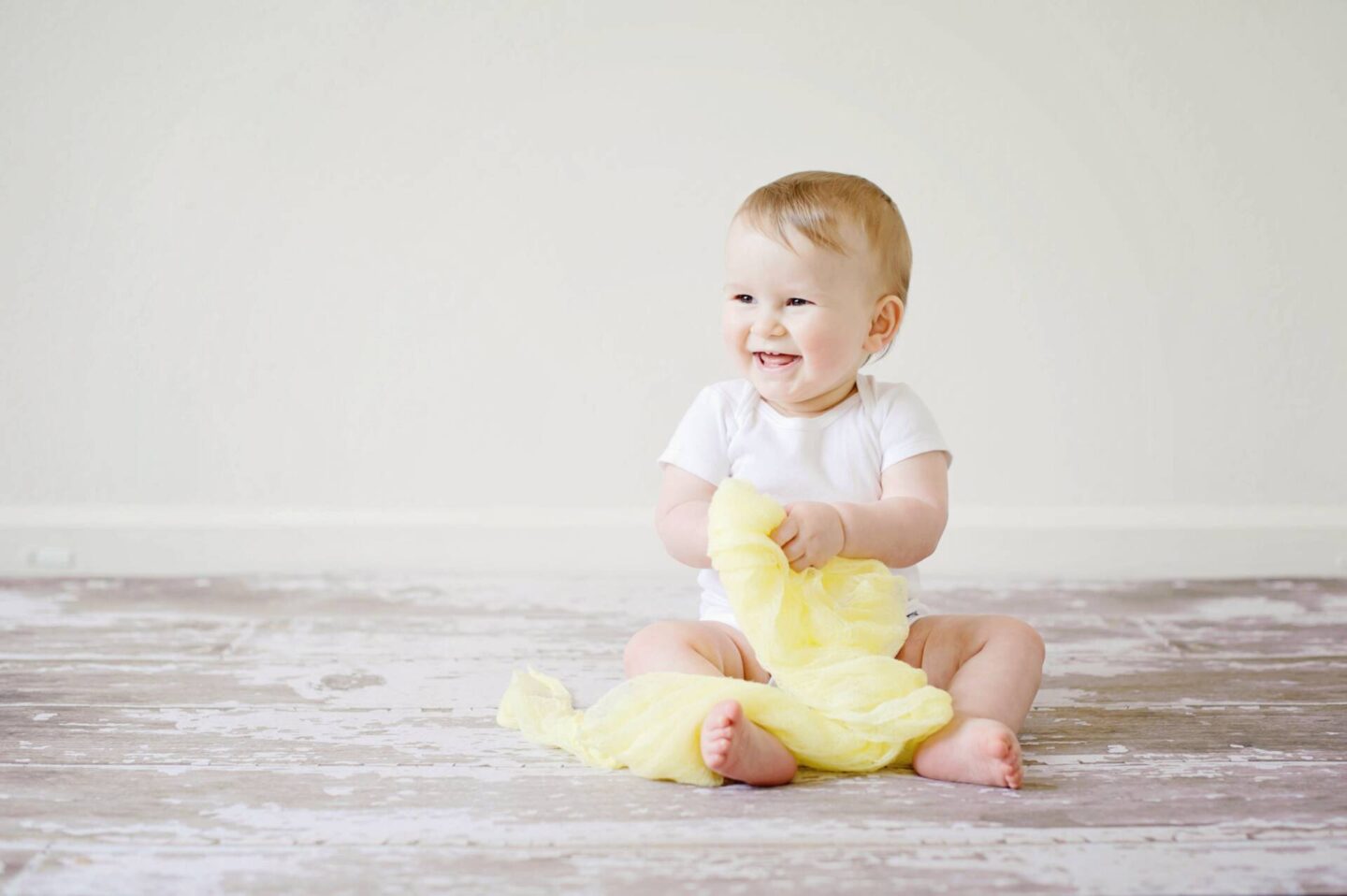
Introduction: The Need to Stimulate Sensory Development and Provide Creative Activities for Toddlers
Toddlers are experiencing a very important and sensitive period of their development. During this time, the brain is forming connections that will form the foundation for their future lives. The way we stimulate these connections can have a profound impact on how they develop and grow.
There are many ways to stimulate sensory development in toddlers. One of the most popular ways is through creative activities that provide a variety of sensory stimuli. This can be achieved by using different textures, colors, shapes, sounds, and smells. All these come under the title of sensory play. It doesn’t have to be complicated, far from it. It can be as simple as a collection of different types of items in a box. You know they love emptying out boxes and playing with the box, so that is the perfect starter kit.
By stimulating different senses at the same time, toddlers are able to experience new things in an engaging and safe way which helps them grow and learn faster than ever before.
Different Types of Sensory Play Activities
Sensory play activities are a great way to stimulate children’s senses and encourage their creativity. They are also a good way of teaching children about the world around them. Don’t worry if you are not a great lover of playing and creating activities, remember it doesn’t have to be an elaborate set-up, and childcare providers like childminders, grandparents, pre-schools, and playgroups will all provide excellent sensory play activities. I almost forgot nurseries, like this nursery in Nottingham.
Different types of sensory play activities for toddlers include:
– Painting
– Drawing
– Playing with water
– Playing with sand or rice
– Playing with dough or clay
– Drawing on a whiteboard with dry-erase markers
– Using a hammer and nails to construct something out of wood
How To Encourage Active Healthy Play and Promote Motor Development
Active play is an essential part of children’s healthy growth. It promotes motor development and strengthens the child’s physical, emotional, and social well-being. Active play also encourages a child to be more creative, imaginative, and interactive with their surroundings.
Active play can be achieved in many different ways. There are some specific guidelines for promoting active play in various environments:
– In the home: Encourage active play by providing open spaces for children to explore and experiment with different materials. Provide opportunities for children to use their imagination by playing with simple everyday objects like pots and pans or toy cars. Children should also be able to move freely around the house without any barriers such as furniture or appliances blocking their way.


– Outdoors: Children should have the freedom to explore where possible. Try and make the garden as safe as you can and of course supervise them. A simple water tray with some cups is great in the garden. If you have the right weather, take any messy play outdoors. The garden itself is a sensory experience – the textures, smells, sounds, even in a small garden.
How to Use Colorful Materials in Sensory Play with Your Toddler
Bright colours will stimulate your toddler’s senses and let’s be honest, they are fun! Some of the best colourful materials to use in sensory play are:
-Fuzzy animals like sheep, rabbits, and polar bears
-Toys that make noises when they’re squeezed
-Colored rice, pasta, or sand
-Water beads
-Coloured scarves
-Bean bags
-Toys with flashing lights
-Rattles or musical instruments

Creative Ways to Mix Up Shapes and Colors in Sensory Play with Your Toddler
One of the most important things when it comes to sensory play is that you need to be creative. The following are some of the ways you can mix up shapes and colors in your sensory play with your toddler.
1. Ice-Cream Sensory Play: Use a plate or tray, ice-cream cones, and sprinkles to create an ice-cream sensation for your toddler! Try making play foam out of chickpea water, it won’t matter if they eat it and it can be coloured too for scooping fun.
2. Rainbow Sensory Play: Create a rainbow on the floor with different colored felt tips and/or paints, then add in some other colour-related objects like balloons, ribbons, scarves, and more. Get them to sort into colour piles or just let them free play.
3. Shapes Sensory Play: Tape down a large piece of paper onto the floor so that it’s flat and then let your toddler run about drawing shapes with chalk or crayons all over it! You can help them by drawing some shapes and naming them together. If you have an outdoor space, draw on the pavement together.
4. Guess the sound play: Gather some old plastic bottles or milk cartons, fill each with different items like pasta, rice, foil, marbles, lentils, etc. and let them shake the containers and look at what’s inside.
5. Get planting together: plant seeds, seedlings, or plants and follow the progress together. A cheats version is a trip to the garden centre or DIY store! A bonus if they have pets or fish on display, what a treat.
In conclusion, sensory play is everywhere and can be enhanced by implementing some of these ideas into your toddler’s play time. I hope you have found it helpful and let me know if you try any of them.
AD

