


With Christmas just around the corner, now is a good time to start with preparations. As you can already tell, the most challenging task you’ll face is to pick the best Christmas tree. Below is a list of important details to guide you through the process.
#1. Real vs Artificial Christmas Tree
It’s important to decide early on what type of tree you are after. Assuming you’ll go for the live one, it’s much more eco-friendly than its fake counterpart. Besides bringing you the true Christmas feel and scent, it produces oxygen, absorbs carbon dioxide and is biodegradable.
An artificial Christmas tree is usually made from petrochemicals, polyvinyl chloride (PVC) and various metals which cannot be recycled. On the plus side it can last up to ten years, which means you can use it multiple times. It can be more expensive than a real one, depending on what you go for, but if you use it again and again there’s more value.

#2. Which species should you choose?
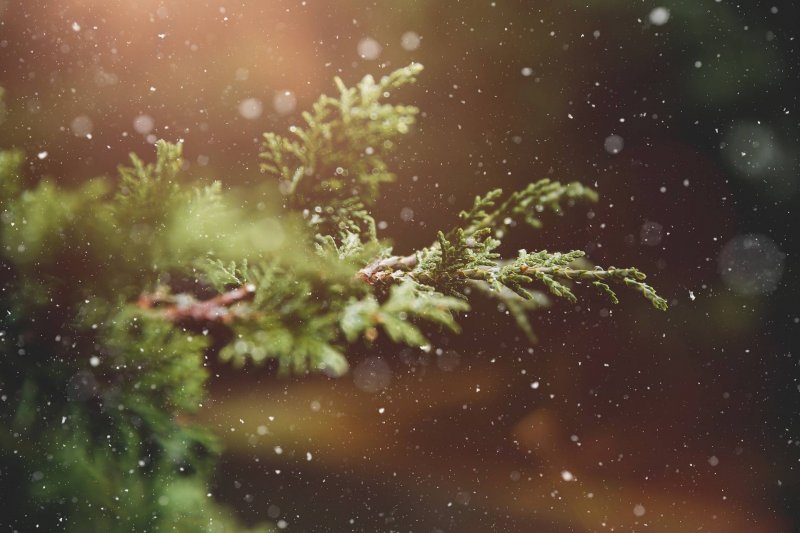
The traditional British choice is the Norway spruce due to its natural beauty and scent. Its needles however tend to drop earlier than most species. This is why people nowadays prefer “non-drop” tree varieties, most chart-topping of which is the Nordmann fir with its strong branches and soft glossy dark green needles.
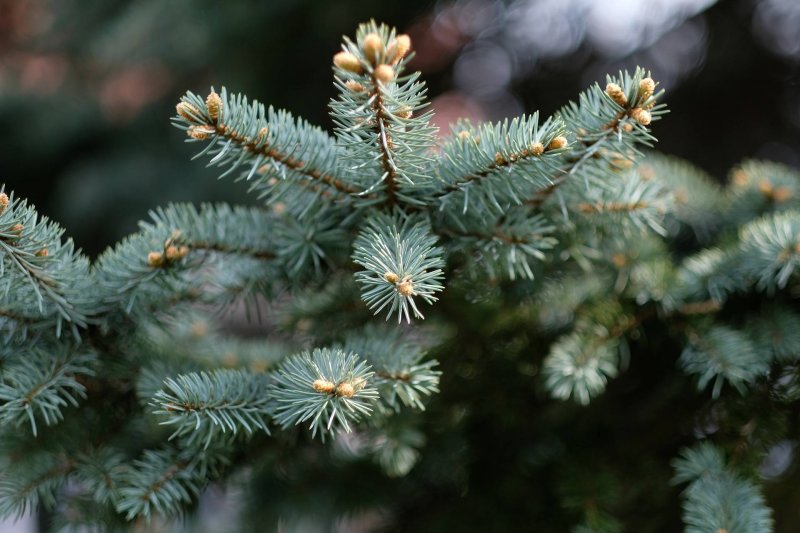
An exotic option would be blue spruce because of its fascinating colour and stiff branches, able to hold heavy decorations. Other popular choices include Fraser fir, Douglas fir, Balsam fir and Scots pine.
#3. When is the best time to buy a Christmas Tree?
According to the British Christmas Tree Growers Association, a tree should not be purchased earlier than 1st December. With proper care it should survive for 4-6 weeks which is more than enough to enjoy its presence.

#4. Where can you purchase one?
In the beginning of December you will start encountering Christmas tree vendors in various roadside nooks and crannies. You can look for special markets and gardening businesses in your area where you can consult with a professional.
With companies like Fantastic Services you can order a Christmas tree online or phone 02034043444 and have it delivered to your door and installed on a fixed time and date, with decoration and disposal upon request, how amazing is that?
If you are looking to buy an artificial tree you can visit your local homeware shop, supermarket or browse for one online.
#5. Best time to put up the Christmas tree
This decision is entirely up to you. Some people put it up at the start of the Advent which is 27th November this year. Others do so at the beginning of December. Just make sure you have a tree installed ideally by 10th December.
#6. Measurements
On the market you will find trees of all sizes, most common of which are in the 5-8 ft range. Pick a good spot for your tree depending on the space you have available. Take a measuring tape and calculate approximate height, width and depth.
For real Christmas trees, don’t worry if you get the dimensions wrong. You can trim it later.
#7. Where do trees come from
Apart from those grown on UK soil, famous import destinations include Central, Northern Europe and North America. However you are most likely to come across Christmas trees grown in Scotland and England.
#8. How much do Christmas trees cost?
Prices are based on two main factors – size and species. For example a classic 6ft Norway spruce will cost you anywhere between £35-£45, while a premium grade non-drop 6ft Nordmann fir will amount to £50-£60.
Artificial trees have greater costs because they are made of expensive materials, can last up to ten years, and usually come pre-lit and decorated. Be ready to spend at least £100.
#9. How to check its condition
What you are after is a freshly cut and healthy tree. Look for the greenest one with the least brown needles. Pick it up, raise it a few inches above ground and drop it on its butt end. If needles start dropping this means that the tree has been cut for some time, it’s old and dry.
#10. Tree caring tips
The first thing you need to do before you install your Christmas tree is to cut off half an inch from the trunk in order to open its pores. Then put it in a water-holding stand and place it away from direct sunlight and heat sources. Water the tree regularly because it absorbs water pretty fast.
There’s also a possibility that your tree is home to various insects like aphids, adelgids, bagworms, beetles and spiders. Those will not pose any threat as long as you take your tree outside and shake it well. Most insects and their eggs will be gone while any remaining ones will dessicate and eventually die. Do not spray pesticides on your trees as those are flammable.
#11. What to do with the tree after Christmas
Don’t hurry to throw your trees in the rubbish after the holidays. They are biodegradable and can still serve a purpose. Take your Christmas tree to a drop-off location, book a waste removal company to dispose of it or a non-profit organisation to pick it up. Our local tip has a Christmas Tree section and they all get recycled. I call it the Christmas Tree Graveyard.
Happy Christmas Tree Hunting!

Disclosure: this is a sponsored post, all opinions are my own
Thank you for reading - if you enjoyed this content, please consider buying me a coffee here or browse my Amazon wishlist I really appreciate your support and it helps to keep the site running and for my time 🙂