


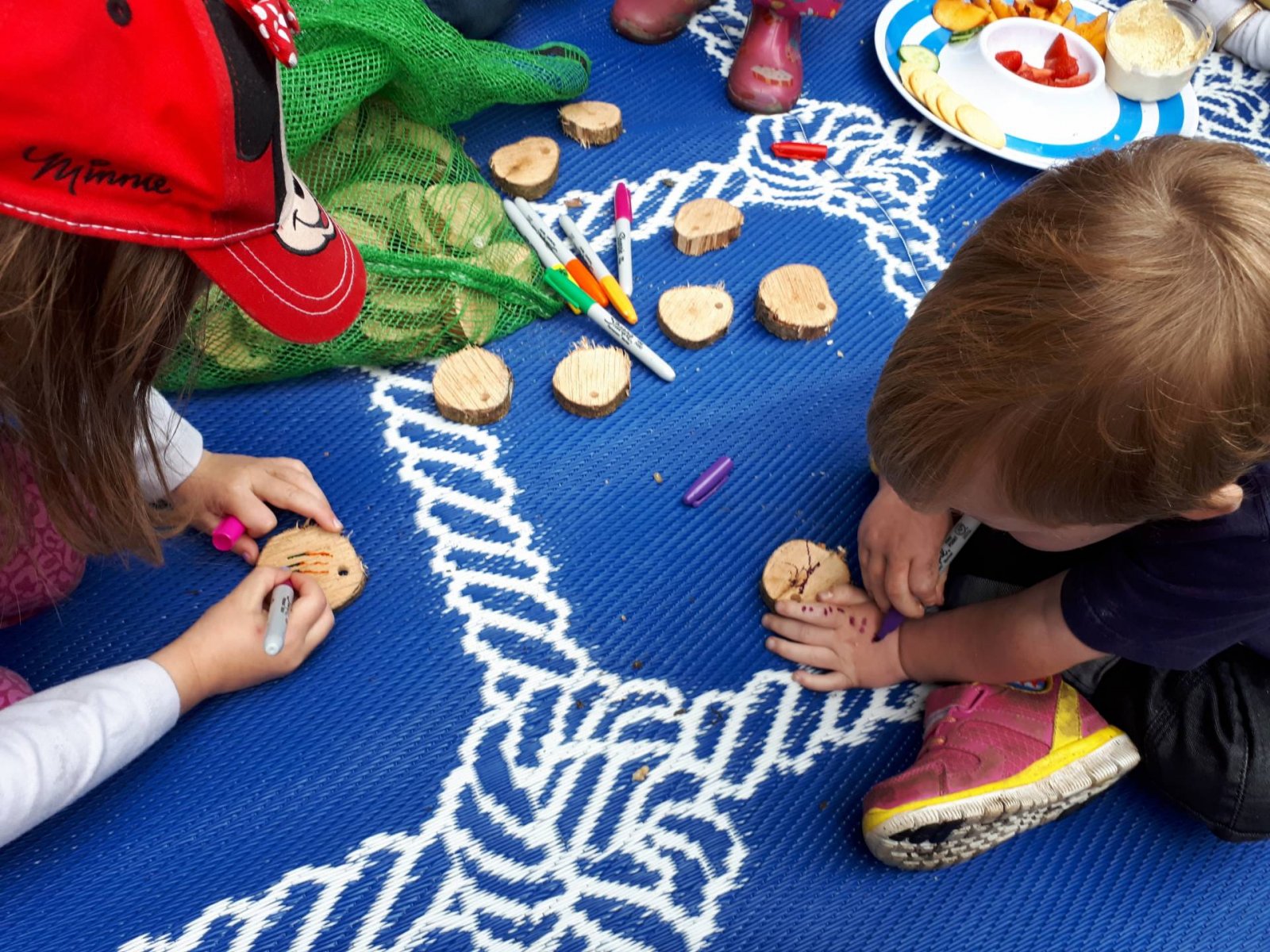
In today’s fast-changing world, STEM subjects—Science, Technology, Engineering, and Mathematics—are more important than ever. They fuel innovation, shape future careers, and help young minds understand how the world works.
Introducing STEM to your child doesn’t have to mean complicated experiments or endless equations. With curiosity, everyday opportunities, and a little creativity, you can spark a lifelong interest in learning and problem-solving. Read on for some advice from a London private school.
Why STEM Matters for Children
STEM subjects go beyond classroom knowledge. They teach children how to:
- Think critically and logically
- Solve real-world problems creatively
- Work collaboratively and communicate ideas
- Adapt to new technologies and opportunities
These skills are essential not just for future careers, like engineering, medicine, or computing, but for everyday life.
Make STEM Fun and Everyday
The best way to nurture an interest in STEM is to weave it into daily activities. Here are some simple, engaging ideas:
1. Science in the Kitchen
Cooking is full of science! From baking bread (chemistry) to melting chocolate (changes of state), involve your child in measuring, mixing, and predicting results.
2. Technology at Home
Explore how gadgets work. Take apart an old remote control (safely), or talk about how Wi-Fi, smartphones, or even washing machine’s function.
3. Engineering with Building Materials
Use LEGO, magnetic tiles, or recycled cardboard to build bridges, towers, or marble runs. Ask: What makes it strong? How can we make it taller or faster?
4. Maths in Everyday Life
Whether it’s counting change, estimating shopping costs, or working out the time until bedtime, maths can be fun and relevant.
Explore Outdoors
Nature is a perfect STEM classroom.
- Go on a bug hunt and identify insects.
- Track the phases of the moon or observe cloud shapes.
- Build a simple weather station to measure rain or wind.
These activities show how observation and recording (key science skills) connect directly to the world around us.
Use Games, Books, and Apps
STEM-friendly resources are widely available:
- Games & Kits: Science experiment sets, coding robots, and puzzle-based games like Minecraft Education Edition.
- Books: Child-friendly science books or biographies of inspiring inventors and scientists.
- Apps: Coding apps like Scratch or Tynker introduce programming in playful ways.
Encourage Questions and Curiosity
Children are natural scientists. When they ask “Why is the sky blue?” or “How do planes stay in the air?”, resist the urge to give a quick answer. Instead, explore together:
“That’s a great question—how do you think we could find out?”
This fosters critical thinking and shows that learning is an adventure, not just a destination.
Visit STEM Spaces Together
Hands-on experiences can deepen excitement:
- Science museums and discovery centres
- Astronomy nights at local observatories
- Engineering or robotics clubs at school or in the community
Such experiences make STEM real and inspiring.
Support at School and Beyond
Talk with teachers about your child’s interests. Ask about:
- After-school science or coding clubs
- Competitions like maths challenges or science fairs
- Special workshops during school holidays
These can reinforce what your child learns at home and help build confidence.
Exploring STEM with your child is less about formal lessons and more about shared curiosity, everyday discovery, and hands-on fun. By making science, technology, engineering, and maths part of daily life, you’ll help them develop critical skills, confidence, and a lifelong love of learning.
Who knows; today’s kitchen experiment or backyard bug hunt could spark tomorrow’s scientist, engineer, or innovator.
Thank you for reading - if you enjoyed this content, please consider buying me a coffee here or browse my Amazon wishlist I really appreciate your support and it helps to keep the site running and for my time 🙂