


Key Takeaways
- Understand why regular STD testing is essential for maintaining good health.
- Learn about various types of STDs and the importance of early detection.
- Discover the different methods of STD testing and what they entail.
- Prepare for your test by knowing what to expect and how to interpret results.
Table of Contents
- Introduction to STD Testing
- Understanding STDs and Their Prevalence
- Who Should Get Tested and Why
- Types of STD Tests Available
- Preparing for Your STD Test
- Interpreting Your Test Results
- Next Steps After Testing
- Promoting Safe Practices
Introduction to STD Testing
STD testing is not just a precautionary measure; it’s a crucial step towards a healthy future. With a broad range of diseases and mild symptoms, regular testing reduces the risk of complications. Widespread testing leads to decreased transmission rates and a healthier population. It’s not just about checking off a box; it’s an essential measure for overall well-being. Understanding what STD Testing Forth Worth and similar services offer can empower you to take control of your health. Medical testing is crucial for personal health and public safety, as it helps identify early symptoms and prevent complications from untreated infections. Understanding the importance of these tests and their role in a healthier lifestyle is essential. Regular testing can reduce the spread of STDs and associated health risks, ensuring individuals lead safe and healthy lives. Recognizing the importance of testing is the first step towards a healthier lifestyle.
Understanding STDs and Their Prevalence
Sexually transmitted diseases (STDs) impact millions of people every year. A CDC report states that these infections are an ongoing challenge, highlighting the need for greater public awareness and preventive measures. Understanding the prevalence and nature of these diseases is the first step in combating them. Many STDs can persist without symptoms, silently complicating reproductive health or paving the way for more severe health conclusions, such as infertility or cancer. This silent nature of many STDs makes awareness and education essential tools in public health campaign strategies.
Who Should Get Tested and Why
Determining who should get tested isn’t just about blanket advice — it’s about understanding your personal risk factors. The Centers for Disease Control and Prevention advises regular testing for sexually active individuals, especially those with multiple partners who have just started dating or practice unprotected sex. Frequent testing lowers the chance of disease transmission and can detect illnesses early, which is crucial for treatment. Committing to regular STD tests allows for the timely discovery and management of health challenges one might face. Often, the people most at risk for transmission may feel the least symptomatic, underscoring the effectiveness of routine testing as part of standard care.
Types of STD Tests Available
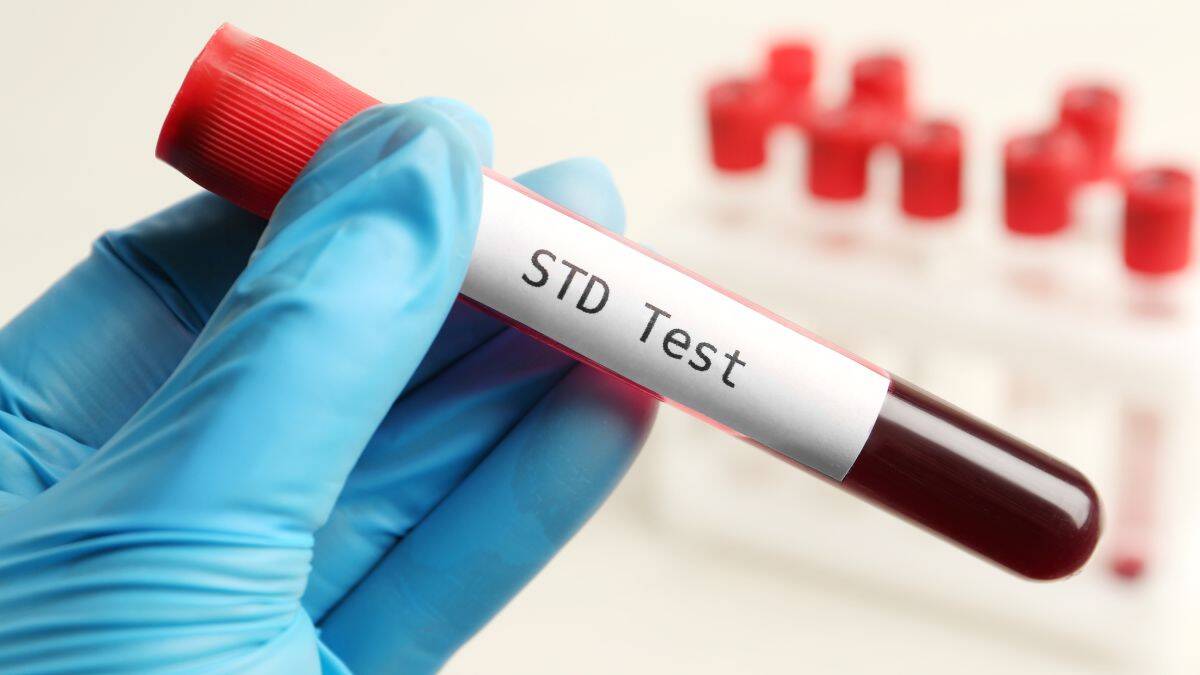
STD tests are designed to detect a variety of infections, from chlamydia and gonorrhea to HIV and syphilis. The method of testing often varies depending on the disease. Blood tests, urine samples, and swabs from affected areas are common approaches. Each testing method requires specific protocols that ensure accurate detection and reliable results. Discussing symptoms and sexual history with a healthcare provider can determine the best testing approach for each individual, enhancing the chances of an accurate diagnosis and successful treatment plan.
Preparing for Your STD Test
Regardless of the type of STD test you’re undergoing, preparation is critical. Knowing what to anticipate can decrease anxiety and lead to more dependable outcomes. Consulting resources like the Johns Hopkins Medicine guide can offer helpful tips on preparing for these essential health checkups. Knowing what type of sample might be required and discussing potential medications or actions (such as urinating before a test) can contribute to a smoother process, ensuring comfort and accuracy.
Interpreting Your Test Results
It can be challenging to interpret the test results once they are completed. Results may return as positive, negative, or inconclusive, and discussing these outcomes with a healthcare professional ensures understanding and helps in planning the next steps. Professional advice is crucial to clarify any doubts following a test. Clear communication about what each result means for your health and relationships enables informed decision-making. It’s not just about understanding whether the result is positive or negative; it’s about understanding the implications of those results for your health strategy going forward.
Next Steps After Testing
If a test result is positive, timely action is essential. Treatment plans, including medication or further testing, should be followed closely. Additionally, notifying partners is a responsible action that helps in curbing the spread of STDs. With early treatment, many STDs are manageable and sometimes even curable. Engaging partners in these conversations not only promotes individual health but also facilitates a culture of openness and responsibility surrounding sexual health. While it can be a sensitive subject, it’s crucial to preventing further infection and promoting a healthy community.
Promoting Safe Practices
In addition to regular testing, promoting safe sex techniques, such as using condoms and having open conversations about sexual health with partners, are essential aspects of maintaining sexual health. Through education and awareness, the spread of STDs can be significantly mitigated. Access to healthcare services and thorough sexual education are essential components of this process because they provide people with the information and skills they need to make decisions regarding their sexual health.
Disclosure: collaborative post
Thank you for reading - if you enjoyed this content, please consider buying me a coffee here or browse my Amazon wishlist I really appreciate your support and it helps to keep the site running and for my time 🙂