


Introduction
As a new mom or an expecting parent, you absolutely have a lot of things on your mind. And we feel you. You’re trying to figure out how to get through the day without losing your calm, how to keep from burning out because of lack of sleep. You’re probably still trying to figure out the essentials that you have to acquire before the baby is born. You have the basic things like diapers and a car seat, but what else do you need?
If you’ve got a new baby on the way, here’s one more thing to add to your list: a receiving blanket! Receiving blankets are, in fact, some of the most important items you’ll need as a new parent.
If you have no idea what a receiving blanket is, don’t worry! We’ve got you covered with this article. It will tell you everything you need to know what a receiving blanket really is and how it adds value to the busy, sleepless lives of parents.
Let’s start!
What Is a Receiving Blanket for Babies?
A receiving blanket is exactly what it sounds like—a blanket that will cover your baby as soon as they’re born. It’s perfect for swaddling, which helps keep them warm and cozy after they leave their nest inside Mama’s belly. It’s typically used during the first few hours of a baby’s life and is often placed over a newborn to keep them warm. This keeps them calm and cozy while they’re being checked by medical staff until they are ready to be clothed and swaddled.
Receiving blankets are typically made from cotton, flannel, muslin, or fleece. They’re made from soft, lightweight fabrics that don’t irritate sensitive skin. During the first year of the newborn’s life, it can be used for lots of things, including swaddling, burping, and any time a baby needs a little warmth and protection like in their car seat or stroller.
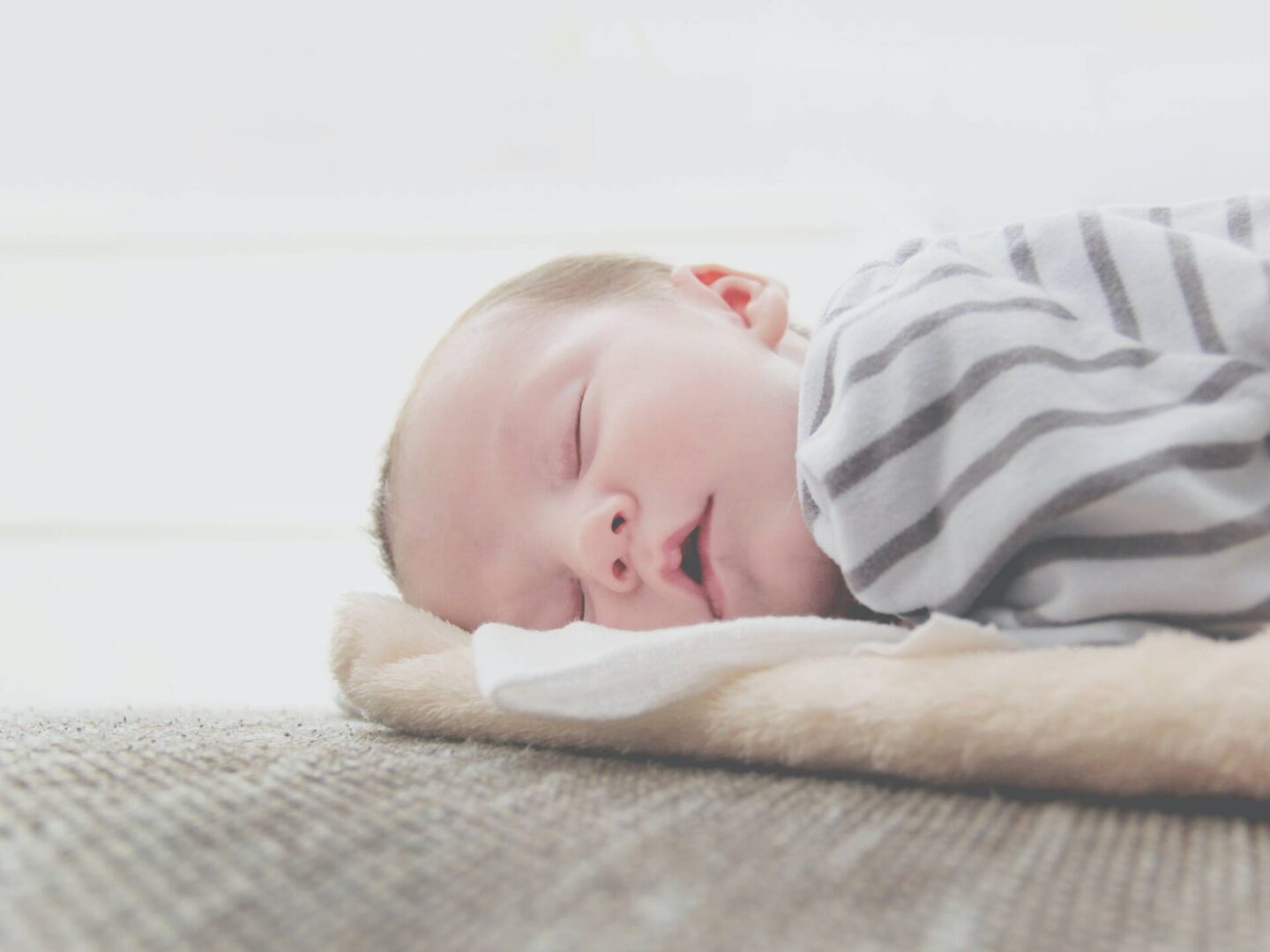
Receiving blankets come in different sizes so that they can grow with your child until they’re ready for something new! Some parents even use receiving blankets as a way to document their baby’s first year of life by taking photos of them on the blanket to document milestones. Receiving blankets are also often given as gifts at baby showers, so you may want to consider buying one for someone who is expecting a child.
What Are Receiving Blankets Best Used For?
Receiving blankets serves one primary purpose: to aid with baby care.
In delivery rooms, pediatricians use these receiving blankets to either warm or dry the babies immediately after delivery, and soon after, they use fresh clean receiving blankets to swaddle them while they’re in the nursery. In addition to swaddling, receiving blankets are also great for laying your newborn on, keeping them warm, drying the baby off, and using the blanket to protect surfaces from spills like spit up or extra cover while you are changing their diaper.
Receiving blankets should be on hand to assist you with all kinds of baby care. In other words, receiving blankets can help make every stage of infancy easier.
What’s the Best Type of Receiving Blankets?
Because of their multi-purpose use, receiving blankets need to be absorbent. Look for blankets that are made from highly absorbent fibers such as cotton. Avoid synthetic materials such as polyester and fleece because those fabrics won’t do the job. Since receiving blankets are always touching the baby, they need to be soft and not scratchy. Lastly, they need to be good for the season. For summertime, choose a lightweight fabric, and for wintertime, something more substantial and thick.
If you’ve already been using muslin blankets to swaddle your baby, you might not have realized that they make great receiving blankets as well! The fabric composition of muslin makes it great for spills, spit-ups, and even baby baths if you are using the swaddled bath technique.
How Do You Use a Receiving Blanket Safely?
Receiving blankets are great for swaddling a newborn, but they need to be used with caution. Here’s how:
- Make sure that the receiving blankets are not loose lying around in the crib. And never put the receiving blanket over your baby’s face or head. The fabric could cover the baby’s mouth or nose. If you are using a receiving blanket as a swaddle, make sure to use a swaddling technique that the baby won’t undo. Swaddling is recommended for the first few months up until the baby is strong enough to roll over. So keep a close eye and practice safe swaddling once your baby reaches that milestone.
- Don’t use a heavy receiving blanket on infants — it may make it difficult for them to breathe comfortably, especially if the baby accidentally pulls a blanket over their face. Try picking a blanket that air can flow easily through just as an extra step of precaution. Be aware of weighted blankets when your baby is a newborn as well.
What Is a Receiving Blanket vs Swaddle?
The difference between a receiving blanket and a swaddle is that a swaddle is bigger, usually about twice as large. Another difference is that a swaddle usually has a stretch to it while a receiving blanket might not.
The main differences between the two types of blankets are:
- Size – If you’re asking what size is a receiving blanket, just remember that receiving blankets are usually smaller (usually about 24 x 18 inches) while swaddling blankets are larger (about 42 x 42 inches).
- Function – Swaddling blankets were created specifically to help parents keep their newborns snugly wrapped while they sleep so they don’t wake up too often during the night. Receiving blankets serve a much wider range of purposes like we discussed above. From wiping up messes to wiping down babies, this blanket can be used for any baby need.
The bottom line is that a receiving blanket and a swaddling blanket can be the same blanket! It totally depends on your preference. You might prefer to have a few smaller blankets on hand for the smaller messes, or you can use a swaddling blanket and use it several times throughout the day before sending it to the laundry pile.


Do I Need to Bring Receiving Blankets to the Hospital?
Usually, a hospital will provide receiving blankets for your baby. However, you should bring a few with you to have on hand as you are taking the baby home. In addition, from personal experience, a hospital’s receiving blankets tend to be stiff, so I did prefer something softer for my newborn baby. I also recommend a pretty swaddling blanket for a photo opportunity. A hospital photo is a must to document your babies’ arrival and a pretty blanket is a great prop to have.
How Long Do You Use a Receiving Blanket?
You can use a receiving blanket for as long as you like— some people use them for a few weeks, months, or even years. The good news is that it becomes a multi-purpose tool for parents as the baby gets older. In fact, it can be used as a swaddle, burp cloth, breastfeeding cover-up, a comfort object or lovey for the baby, and so much more!
As your little one grows into a toddler, you can even use it as their blankie! This is great for children who have trouble falling asleep without their comfort objects nearby. The receiving blanket will provide them with the same comfort that they have always gotten from it before.
When should you use a receiving blanket?
As soon as the baby is born and every day after! Actually, when your child is between 0-6 months old and hasn’t yet started sitting up on his/her own, that’s when you can best use a receiving blanket. When they’re beyond and grow bigger, then it’s ideal to go for a swaddling blanket to cover them up fully since they are bigger.
How many receiving blankets do you need?
I like to keep in mind how often I do my laundry to determine how many receiving blankets I need. If you plan on doing laundry once a week, you will need at least 2 receiving blankets a day, making it a total of 14 blankets.
This might sound like a lot at first, but no worries, remember that this is a multi-purpose item. If you will have other items on hand to use instead of a receiving blanket, you can substitute them and have fewer blankets. For example, you can use a receiving blanket to catch milk as you are feeding the baby, or you can use a burp rag instead. In this case, you would add burp rags to your baby essentials list and buy one less receiving blanket.
Why is it called a receiving blanket?
This is because the baby is rubbed down and cleaned up with a receiving blanket as soon as they are born! They are the first thing that a baby touches after being born, and they’re also used to wrap up a baby immediately after birth. In a sense, the baby is received into the world with this blanket.
Final Takeaway
We hope that this article has helped you to understand the benefits of receiving blankets and how they can be used to make you and your little one’s life easier. We love receiving blankets because they’re so versatile, so if you don’t have one yet, we encourage you to get one!
Now that you finally know what is a receiving blanket, feel free to share this guide with other parents who might need a little bit of sunshine to lighten up their day. Thanks again for reading and happy parenting!
Disclosure: collaborative post
Thank you for reading - if you enjoyed this content, please consider buying me a coffee here or browse my Amazon wishlist I really appreciate your support and it helps to keep the site running and for my time 🙂