

Like with any other worktop in your house, bathroom counters vary by the thousands. Not only are there different materials available, but colours, patterns, and types.
In this article, we will be talking about the best surface materials to use for your bathroom worktops. Almost all of the materials below are both stylish, and durable, yet vary in price.
Granite Worktops
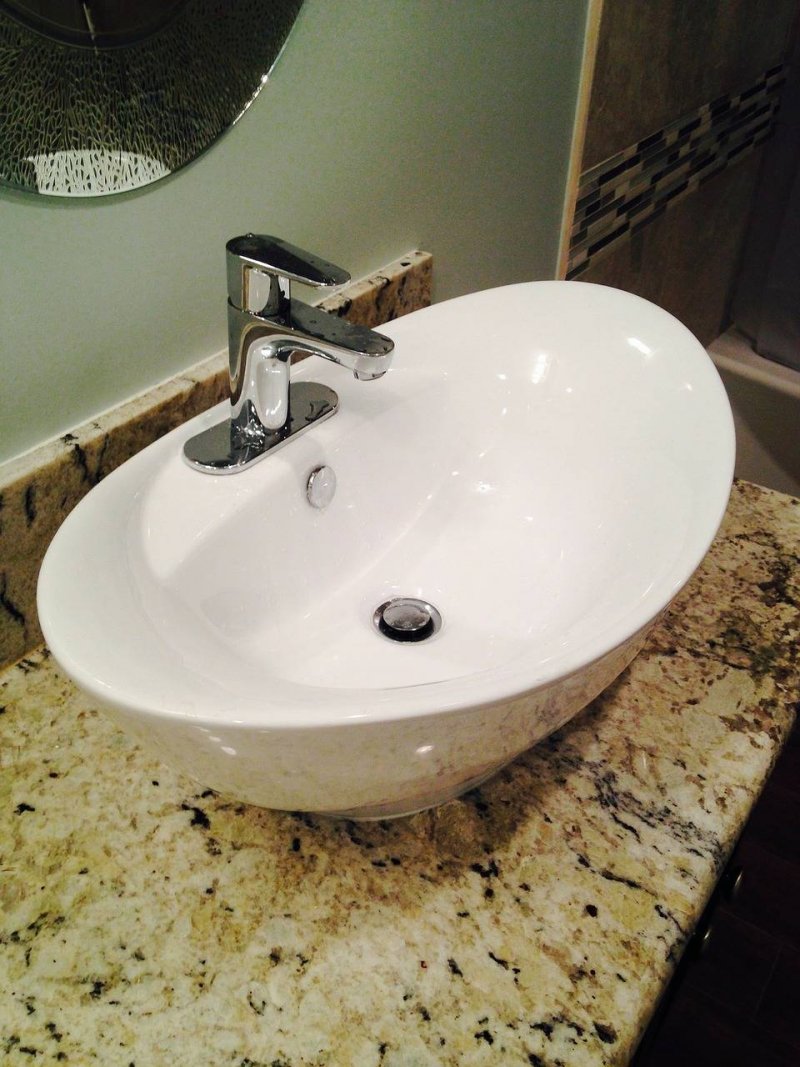
Granite is one of the most popular materials used in a bathroom as a worktop. They offer a sort of dramatic beauty to them, they are durable, easy to take care of and they come in an array of colors, styles, and patterns. I love the ones with a bit of sparkle to them.
Pros: There are lots of colour options available. This is also a material that is scratch resistant and therefore requires very little maintenance IF it’s properly sealed. It’s also impervious to things like hot curling irons or any heat or humidity for that matter. so it’ll last you for the entire time you live in the house and for years after. Lastly, because granite is such a good material, there’s a good chance it will add to the value of your home.
Cons: It’s expensive.
Cost: Granite will cost anywhere between £50 to £100 per square foot and this all depends on the style, type, color and thickness you choose.
Quartz
Over the past few years, quartz in terms of popularity has been just behind granite. Most of the times when you have a quartz counter it’s 95% natural quartz stone, but for the other 5%, many manufacturers also add things like resins and pigments to change the color and recycled materials.
Pros: Believe it or not, quartz is actually a tougher stone than granite and it doesn’t even need to be sealed. It’s all resistant to things like stains, bacteria, and even moisture. Overall, it’s a fantastic material to have in a moisture ridden humid bathroom. It also comes in all sorts of edge treatments and styles.
Cons: Like with granite, quartz can be quite expensive. Honed is the most popular “finish” but it does have its downfalls; it shows every fingerprint and every smear, this means you will have to wipe it down quite often.
Cost: Quartz will cost anywhere between £60 to £105 per square foot.
Acrylic Resin and Crushed Stone
Also called solid surface materials, this is a type of material that uses acrylic resins and a crushed stone. It’s pretty generalized, it’s not really natural stone like granite, but it’s not really a man-made product like Formica either. It’s sort of in between. You will find that this type of material comes in all sorts of colors and patterns.
Pros: Really durable and also resistant to things like bacteria, stains, and water/moisture. You can also find flecked or streaked styles that can look very similar to natural stone materials. It’s almost entirely seamless.
Cons: It takes a real professional to install this material properly. Also, on darker colors, you will see scratches more. Plus, it can be damaged by intense heat i.e. a curling iron.
Cost: This costs anywhere between £40 and £100 per square foot, so it’s still quite expensive.
Concrete Counters
More and more people are finding that using concrete inside their homes isn’t just a trend, it’s starting to become a very popular, efficient and economical choice. Concrete can be really beautiful in your kitchen if it’s done right and installed properly. A few of the pros and cons would be:
Pros: It’s incredibly durable. It also comes in all sorts of colors, patterns, and styles – some of which can be made to mimic natural stone materials like granite. You can also get these customized to have stone inlays.
Cons: You will need to wax this material and have it sealed regularly because it is porous. There are also visible seams sometimes, but these can be reduced with a colored filler that is the same color as the concrete.
Cost: The cost of concrete will be anywhere between £45 to £130 per square foot – this does not include the cost of installation.
Tile Countertops

According to tilemarkets.com, tiles have always and will always be popular in the bathroom as flooring, countertops and for few other good reasons.
Pros: Incredibly durable, it’s resistant to all sorts of things like water, moisture, heat, scratches, stains, and more. It’s also one of the most affordable materials around. Tiles are much different than they used to be, now they come in every color under the sun, every style, and you can even get them in “themes” for something like a Spanish styled Bathroom, Beach Themed Bathroom, Colonial, Cottage and more. The options are pretty much endless for not only colors and patterns but the sizes of the tiles, the grout colors, designs within the tiles and more.
Cons: Tiles can chip over time.
Cost: The cost will be around £10 to £50 per square foot. This is significantly less than the other options listed here.
Disclosure: This is a collaborative post, all opinions are my own.
Thank you for reading - if you enjoyed this content, please consider buying me a coffee here or browse my Amazon wishlist I really appreciate your support and it helps to keep the site running and for my time 🙂