


In many ways, the US people have strayed away from God. Mainstream media teaches us that money is the primary value on this earth, often disregarding the importance of family and friends. As a result, many people go through their lives with minimal regard for others.
This dangerous disconnect is every bit the parents’ fault as it is society’s. Modern moms and dads spend little to no time with their kids, focusing more on superficial values and cheap thrills. They don’t have the patience to teach them wrong from right, which their children pay dearly later in life.
However, there are also those who want to raise moral children and have offspring worth adulation. If you’re one of these parents, read the following chapters. We’ll talk about some of the best ways to raise moral kids and set them on the right path.
1. Teach Kids About Caring
Kids adopt most of the lessons and behaviours at a very young age. Teach your children how to share their toys and food, show empathy, and listen to their parents. This will set the basis for moral and social behaviour.
Many psychologists emphasize kindness early on. Unfortunately, some parents make the mistake of installing a “winner’s mentality” from the onset. Although this is great for making your child ambitious and competitive, it will eventually instil certain antisocial behaviours in them.
The most important thing at this stage is teaching children how to reflect upon their actions. Your offspring needs to consider other children’s perspectives and how their actions affect people around them. By putting them in other children’s shoes, they’re less likely to be possessive, stubborn, or selfish.
2. Make Them Socialize
Frequent socialization leads to both positive and negative outcomes. If parents’ friends are well-educated, calm, and empathetic, children might adopt certain behaviours from them. Most notably, they will use their behaviour as a measuring stick against your behaviour, reinforcing or weakening previous lessons.
Unfortunately, this is a two-edged sword. For example, if you don’t allow cussing at home, but your friends curse all the time, this might confuse your child. They will mimic other people’s behaviour and even question your authority and the validity of everything you’ve taught them.
3. Introduce the Bible
Whether you’re religious or not, you have to admit that the bible has some of the best, moral messages. In fact, every religion teaches us how to be kind toward others and behave in a socially acceptable manner.
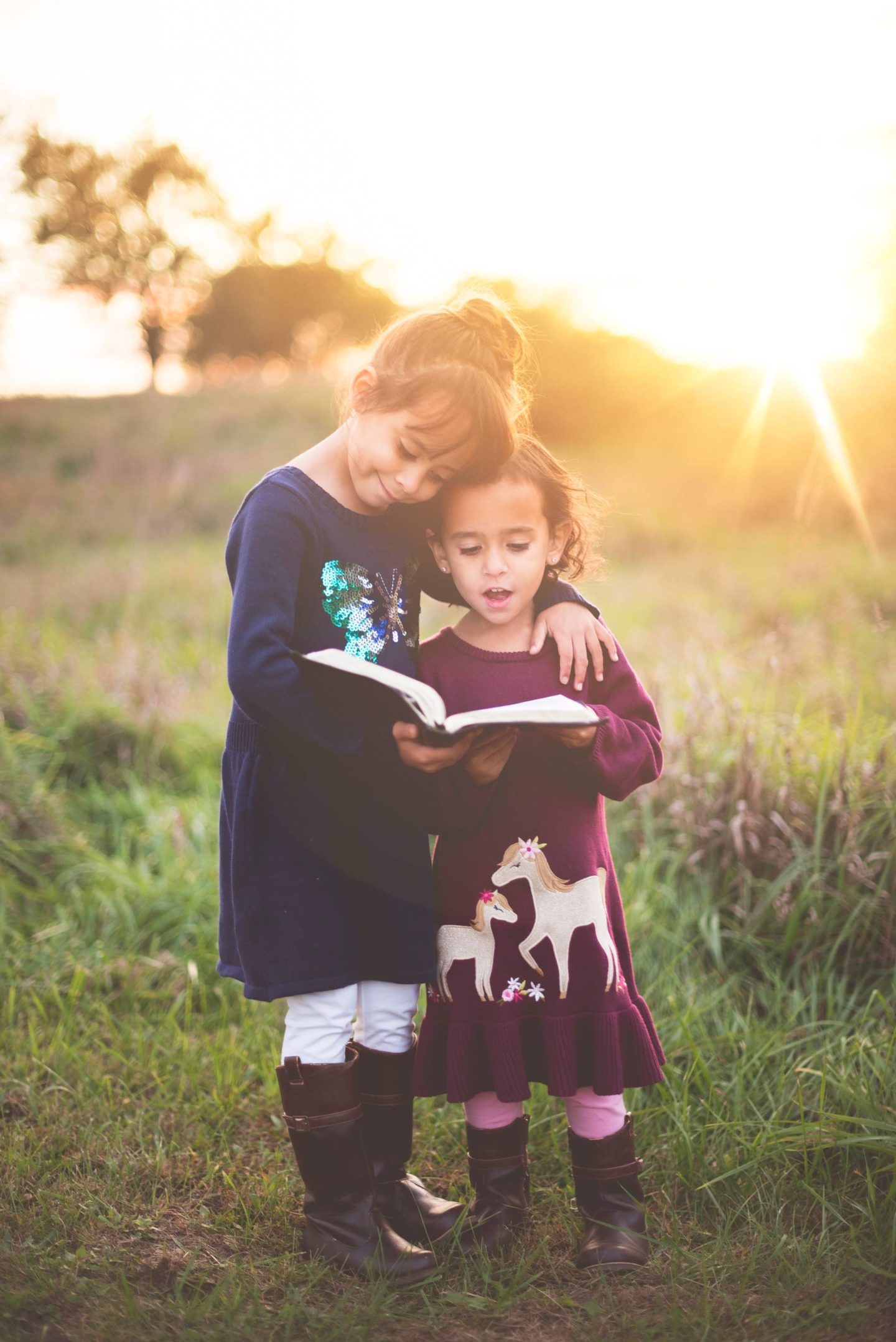
Keep in mind your children might be too young to understand complex concepts. Because of that, you might consider bible study lessons adapted for their age. That way, they will learn the importance of truth, honesty, kindness, and loving a fellow man.
4. Practice Gratitude
Talking about truth and empathy is all well and good, but your young ones also need to see practical examples. You need to tell them when they’re selfish and to show disapproval when they behave in such a manner. Create daily tasks that would teach them about kindness.
For example, they can be stimulated to help friends and neighbours. Every once in a while, you should give them positive feedback to encourage moral behaviour. However, be careful not to overdo it! They shouldn’t behave morally just because they expect something in return.
5. Make Daily Efforts
Kids learn through their role models. While being kind and just all the time is tough, you need to put your best foot forward on a daily basis. Think about how they perceive your action and whether this is something they should replicate.
Remove cuss words from your vocabulary, be a good friend and family member, support others in need, and, most importantly, never lose your temper. Your offspring needs to learn that kindness is a reward in itself, which you can demonstrate by leading a harmonious yet moral life.
6. Manage Destructive Feelings
Kids are notoriously bad with emotions. They have ability to control themselves which leads to frequent outbursts. Even worse, your child might be too energetic and prone to destructive feelings and behaviour. As a general rule, such youngsters struggle to be kind and empathetic as they can’t even help themselves.
Once they learn how to streamline these feelings in a more constructive manner, they will become much better at the people surrounding them. Teach your kid how to take things easy and downplay their emotions, especially when they’re excessive.
Another great practice is living a healthy life in touch with nature. Removing external stimuli and creating a calming environment is crucial in this case. You should also take into account your own emotions, as children often draw from their parent’s negativity.
Conclusion
None of us is perfect. We all have our fair share of flaws, most of which we eventually instil into our kids. However, it is essential to micromanage behaviour on a daily basis to stimulate our children’s growth. By showing empathy and serving as a role model, we set the standard for our kids to follow.
Disclosure: collaborative post
Thank you for reading - if you enjoyed this content, please consider buying me a coffee here or browse my Amazon wishlist I really appreciate your support and it helps to keep the site running and for my time 🙂