
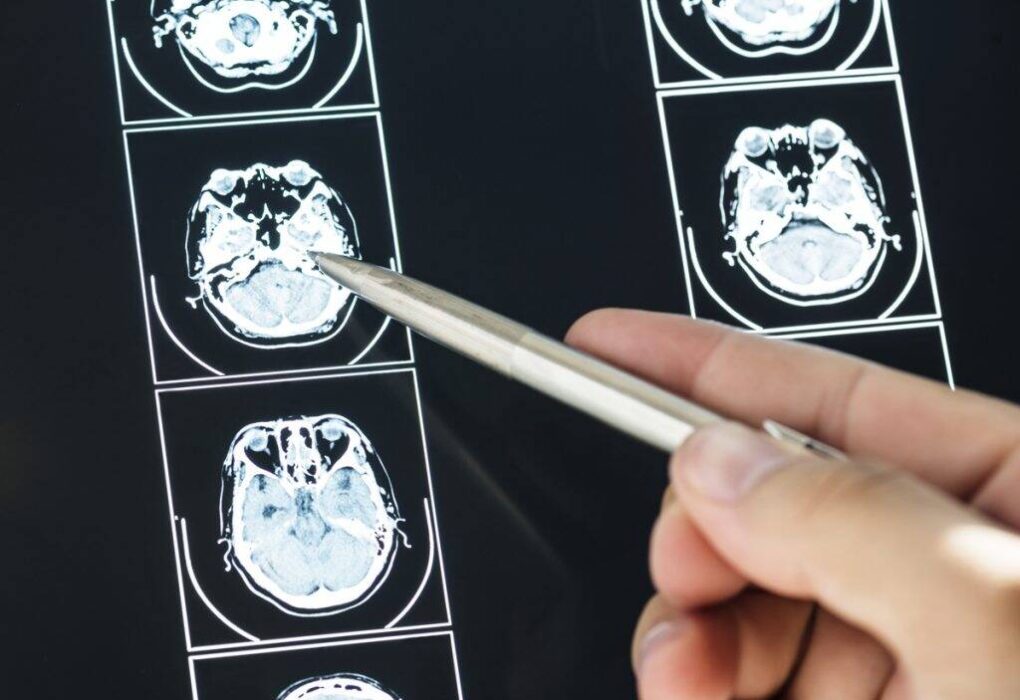
Life for individuals living with traumatic brain injuries (TBIs) is a daily journey fraught with challenges, both seen and unseen. From going through complex medical treatments to relearning basic tasks, every aspect of their existence can be a formidable obstacle course. In the midst of these struggles, the support of dedicated professionals can make a world of difference.
Experienced legal professionals, like the traumatic brain injury lawyers at Aizenman Law Group, play a crucial role in standing up for the rights and health of TBI victims. They offer legal guidance and representation in their pursuit of the victim’s rights and compensation.
In this article, we dive into the complicated fabric of life as a TBI victim, shedding light on the everyday realities they face and the vital role legal experts play. Read on.
Traumatic Brain Injuries
Traumatic brain injuries (TBIs) are complex and often life-altering conditions resulting from sudden trauma to the head. Accurate and verifiable statistics from the Centers for Disease Control and Prevention imply that approximately 1.5 million American citizens sustain a traumatic brain injury each year, with rates highest among children and older adults.
Victim falls are the primary cause of TBIs, followed by motor vehicle accidents, assaults, and sports-related injuries. TBIs range from mild shock to more severe brain damage, with symptoms varying based on the severity of the injury and the area of the brain affected. Common symptoms include headaches, dizziness, confusion, memory loss, mood changes, and difficulties with speech and motor function.
The Daily Struggles of TBI Victims
For TBI victims, every day presents a myriad of challenges. Simple activities that were once taken for granted may now require tremendous effort and concentration. Statistics show that up to 80% of individuals with mild traumatic brain injury experience persistent cognitive difficulties, such as memory loss and attention deficits.
These cognitive impairments can impact every aspect of daily life, from work and school to relationships and social interactions. In addition to cognitive challenges, many TBI victims also have physical symptoms such as headaches, fatigue, balance problems, and sensitivity to light and noise. These symptoms can further complicate daily activities and contribute to feelings of frustration, isolation, and depression.
Medical Challenges and Treatment Options
Navigating the maze of medical treatments and rehabilitation options is another significant hurdle for TBI victims. From intensive therapies to experimental treatments, finding the right approach to recovery can be overwhelming. Statistics from the Brain Injury Association of America show that the lifetime cost of care for a severe traumatic brain injury can exceed $4 million.
Despite the high price, access to quality healthcare services and specialized TBI treatment programs can significantly improve outcomes for TBI patients. Treatment choices may include medications to manage symptoms, physical therapy to improve motor function and mobility, speech therapy to address communication difficulties, occupational therapy to regain independence in daily activities, and cognitive rehabilitation to improve memory, attention, and problem-solving skills.

Rehabilitation and Therapy
Rehabilitation and therapy are essential components of TBI recovery. They help individuals relearn basic tasks and regain independence. From physical therapy to speech therapy to cognitive rehabilitation, these interventions aim to improve function and quality of life for TBI patients.
Rehabilitation aims to hasten recovery and minimize disability, enabling TBI victims to achieve their highest level of functioning and participate fully in daily life. Rehabilitation programs may be provided in a variety of settings, including hospitals, rehabilitation centers, outpatient clinics, and home-based therapy programs. The duration and gravity of therapy will vary based on the severity of the injury and the individual’s specific needs and goals.
Navigating the Legal Process: Challenges and Solutions
The litigation can be complex and intimidating, especially for individuals dealing with the aftermath of a traumatic brain injury. Some attorneys have extensive experience handling TBI cases and are committed to ensuring that clients understand their rights and options under the law.
Moving Forward: Life After TBI
Despite the challenges they face, many TBI victims develop resilience in their journey towards recovery. With the support of dedicated professionals and the love of their families, they can move forward with courage and determination, reclaiming their lives and embracing the future with hope.
While the road to recovery may be extended and challenging, it is also filled with opportunities for growth, learning, and personal transformation. By accessing the resources and support available to them, TBI victims can overcome obstacles, achieve their goals, and live fulfilling and meaningful lives after injury.
In conclusion, the journey of traumatic brain injury victims is marked by immense challenges, yet with the support of legal advocacy, medical intervention, and strong support networks, they can navigate these hurdles and embark on a path towards recovery, resilience, and a fulfilling life beyond injury.
Disclosure: collaborative post
Thank you for reading - if you enjoyed this content, please consider buying me a coffee here or browse my Amazon wishlist I really appreciate your support and it helps to keep the site running and for my time 🙂