
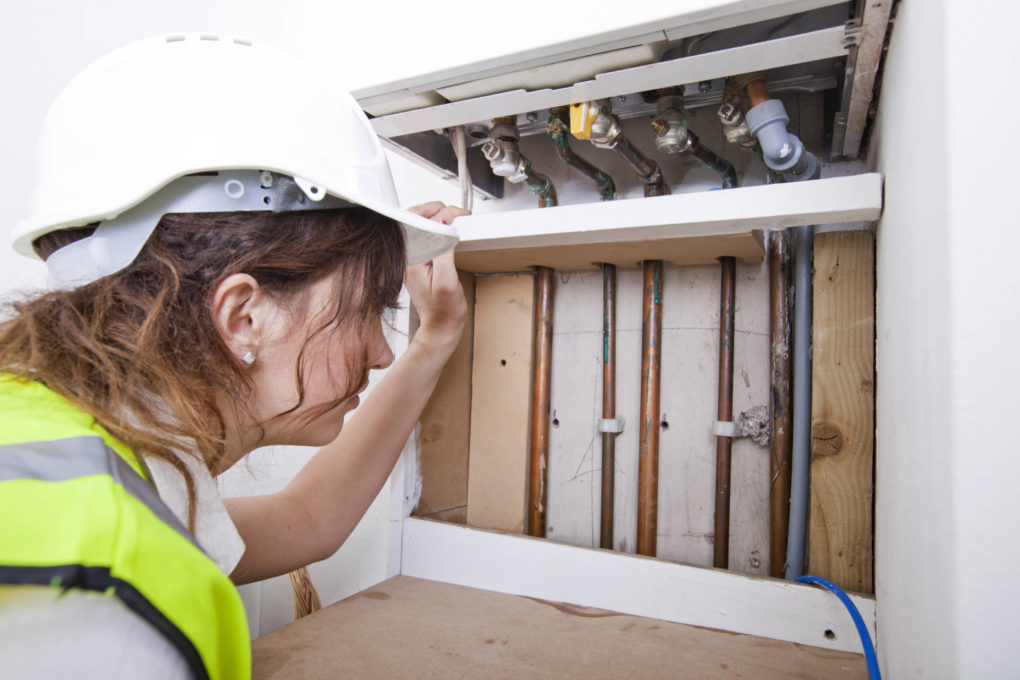
Your plumbing system plays an integral role in maintaining a safe and healthy home.
From supplying clean water to effectively disposing of waste, reliable plumbing is crucial. However, if unnoticed issues arise, they can lead to serious problems.
Untreated leaks or poor installations can result in unhygienic conditions, damage to your home’s structure, and even a decreased property value.
Luckily, being informed about plumbing essentials helps you manage problems early on.
In this blog post, learn how proper plumbing maintenance and timely repairs ensure your household runs smoothly.
With our tips, in cooperation with Dan’s Plumbing RUOK you can minimize your risk of unexpected disasters and maintain a safe, healthy living space.
Selecting Essential Plumbing Tools
When plumbing-caused issues come up unexpectedly in your home, having the right tools can make a world of difference.
What Are Some Must-Have Basic Plumbing Tools?
The essential tools for plumbing include a pipe wrench, plumber’s tape, plumber’s putty, pipe cutter, and plunger. These basics will handle most minor issues.
Why Is the Pipe Wrench Important?
The pipe wrench is essential because it provides the grip and leverage needed to turn, tighten, or loosen pipes and fittings comfortably.
What Is Plumber’s Tape Used For?
Plumber’s tape creates a watertight seal on threaded pipe joints, preventing leaks. It’s an important tool for maintaining your plumbing system.
Which Tool Cuts Pipes?
A pipe cutter specifically designed to slice through metals quickly and smoothly is essential when repairing or replacing pipes in your plumbing system.
Do I Need a Plunger?
Absolutely! A plunger is invaluable for unblocking clogs in sinks, toilets, and drains. Keep one handy; it’s commonly required in many households.
You can purchase these essential tools at any home improvement store or online at places like Home Depot.
Conducting Basic Pipe Work
Whether you’re a seasoned plumber or a novice, understanding basic pipe work is critical. A fundamental knowledge assists in maintaining your home plumbing system.
Evaluation of Leaks
Inspect your plumbing fixtures regularly for signs of leakage. Keep an eye out for damp spots, rust, or mildew that indicate a hidden plumbing problem.
Any unnoticed issues may result in massive damage and costly repairs. Take preventative measures early to keep your plumbing in good condition.
Fixing Drips
A dripping faucet not only wastes water but it may also indicate a more significant problem. Leakage from faucets demands immediate attention and repair.
A worn-out washer is often the culprit behind dripping faucets. Replacing it promptly can save gallons of water and prevent future costly damages.
Unclogging Drains
A clogged drain can cause havoc on your plumbing system. Avoid pouring fats, hair or leftover food into your drains to prevent such incidents.
If clogging occurs, use a plunger to eliminate blockage. Regular maintenance of drains aids in preventing severe backflows and keeping the pipes clean.
Ensuring Clog-Free Systems
Plumbing systems ensure the smooth workflow in your home, facilitating the essential activities of daily life. However, frequent clogs can compromise their effectiveness.
Clogs disrupt the normal water flow, creating frustrating back-ups and potential for overflows. The problem exacerbates if not promptly addressed, disrupting routine and threatening home hygiene.
- Regular drain maintenance: Simple daily habits form an effective preventive measure against clogs. Avoid dumping grease, fibrous food scraps, or hair into drains.
- Septic tank cleaning: Regular septic system maintenance prevents build-ups that could clog the entire plumbing system. Get a professional’s help for a thorough clean-up.
- Leverage technology: Use efficient appliances that do not strain your plumbing system. Also, consider installing sink strainers or hair-catching devices in your drains.
- Understanding pipe mapping: Acquaint yourself with the pipeline layout of your home. This knowledge is advantageous when identifying potential problems and planning prior restorative actions.
These strategies minimize the frequency and severity of clogs in your plumbing systems. They ensure successful preventative maintenance before serious issues arise.
Your understanding about home plumbing basics, paired with preventative measures can greatly enhance the longevity and cleanliness of your home environment.
Safety Equipment for Plumbing
Having safety equipment on hand when doing any plumbing work is non-negotiable. It can prevent accidents, ensure a job well done and prolong your health.
Protective Eye Gear
Every time you work with pipes, hardware and fluids, risk of splashes exist. Protective eye gear will guard your vision against potential hazards.
Respiratory Masks
In confined spaces, noxious fumes may accumulate. Use respiratory masks to safeguard your lungs from harmful chemicals and mold spores exposure.
Plumbing Gloves
Plumbers often handle corrosive substances, pointy metal pieces and hot surfaces. By wearing durable gloves, you can protect your hands from these threats.
Proper Attire
Besides the aforementioned gear, proper attire is also crucial. Don thick-soled shoes to avoid scrapes or punctures, while a sturdy apron can shield against grime.
To Learn More
Gather comprehensive information about safety gear before embarking on a plumbing project. Visit the International Safety Equipment Association website for expert advice.
Understanding Pipe Fitting Techniques
Getting a grip on the various pipe fitting techniques can make a significant difference in maintaining a safe and healthy environment at home.
It’s essential to know how plumbing works, the materials used, and the correct way to fit pipes. This knowledge ultimately helps prevent leakages and damages.
| Technique | Material | Usage |
| Threaded fittings | Brass or steel | For high-pressure applications with small pipes. |
| Soldering | Copper pipes | To handle hot and cold water, refrigeration systems. |
| Push fit fittings | All types of pipes | To permanently or temporarily connect pipes without soldering. |
| Compression fittings | Copper or plastic piping | Ideal for tight spaces and fragile piping. |
| Table 1: Various Pipe-fitting Techniques, Materials and Uses | ||
You should choose your pipe fitting techniques based on your specific needs. Each method has its pros and cons, depending on the application.
Determining the right materials for pipe fitting can help enhance the longevity and efficiency of your plumbing system – contributing to a healthier home.
Improve your home’s overall cleanliness, hygiene, and safety by understanding these pipe fitting techniques thoroughly.
Calculating Flow and Volume
Your plumbing system’s efficiency greatly depends on calculating the correct flow and volume. Understanding this aids in maintaining a safe and healthy home environment.
Flow rate, crucial for efficient plumbing, is the speed at which water travels through your pipes. More flow ensures better pressure, promoting optimal system performance.
- Measure Pipe Diameter: Accurately measure your pipe diameter to calculate the flow rate and identify whether it’s suitable for your current needs.
- Determine Water Pressure: Use a pressure gauge to learn about your system’s water pressure. It directly impacts your plumbing system’s operational effectiveness.
- Assess Water Usage: Analyzing your household’s water usage gives insight into potential plumbing inefficiencies or oversights. It also guides any necessary improvements.
- Regular Maintenance: Maintain the health of your plumbing system via routine inspections, aiding early detection of potential problems, thus ensuring longevity.
To enhance efficiency, make modifications accordingly based on gathered data. Thorough calculation of flow and volume leads to a more optimized, efficient plumbing system.
By factoring in all these aspects, you’ll find that calculating flow and volume not only improves plumbing performance but significantly lowers unnecessary utility costs.
Inspecting Your Plumbing System
Proper plumbing system maintenance contributes significantly to a safe and healthy home. Inspection plays a crucial role in ensuring your plumbing system is in optimal condition.
An overlooked issue might exacerbate into an emergency, causing damage to your property and risk to health. Therefore, it’s crucial to regularly inspect your plumbing system.
A well-kept plumbing framework helps reduce water waste, avoiding potential blockages before they turn into major issues. It also ensures a clean and safe water supply at home.
- Regularly Check your Pipes: Look for visible signs of rust, leakage or burst pipes. Early detection can save you from costly repairs and unnecessary stress.
- Examine Faucets: Observing the flow of water from faucets could give you hints about existing problems. Slow or irregular flow may indicate blockages or pipe issues.
- Investigate Drains: Slow-functioning drains could indicate clogs. Regular inspection assists in removing obstructions before any severe damage occurs.
- Maintain Water Heater: Water heaters require regular maintenance to efficiently perform their function and conserve energy. Neglected heaters might face corrosion or leakages over time.
Owning a home isn’t just about comfort but also maintaining its infrastructure. Take care of your plumbing to avoid inconveniences that might affect your safety and health.
Keeping an eye on these issues goes a long way in maintaining the integrity of your home while securing the well-being of everyone living there.
Conclude Your Journey
Excellent work getting acquainted with plumbing essentials. Remember the importance of regular system inspection and implementing effective techniques. If you encounter challenges, don’t hesitate, check out Dan’s plumbing guide. You’re on your way to a safe, healthy, clog-free home!
Disclosure: collaborative post
Thank you for reading - if you enjoyed this content, please consider buying me a coffee here or browse my Amazon wishlist I really appreciate your support and it helps to keep the site running and for my time 🙂