
Flu season is just around the corner, and as parents, it’s natural to be concerned about keeping your children healthy. The flu can be especially challenging for youngsters, but there are steps you can take to minimize the risk and ensure a smooth flu season for your family. In this article, we’ll explore quick fixes and healthy habits that parents can adopt to help their children stay illness-free. Plus, we’ll discuss when it’s appropriate to seek care from urgent care centers.
1. Encourage Handwashing:
One of the most effective ways to prevent the flu is simple—handwashing. Teach your children the importance of washing their hands regularly, especially before meals and after using the restroom. Proper handwashing with soap and water for at least 20 seconds can significantly reduce the spread of germs. Explain to them that germs can be easily transferred from surfaces to their hands and then to their eyes, nose, and mouth, where they can enter the body and cause illness.
Additionally, consider placing hand sanitizer in your child’s school bag or backpack, especially if they are in an environment where access to soap and water may be limited. Ensure that the hand sanitizer contains at least 60% alcohol for effective germ protection.
2. Promote Flu Vaccination:
Getting a flu shot is a proactive step in protecting your children from the flu. Consult with your pediatrician about the appropriate flu vaccine for your child’s age and health condition. Flu vaccines are readily available at many healthcare providers and pharmacies. It’s important to emphasize that the flu vaccine not only reduces the risk of contracting the flu but also lessens the severity of symptoms if your child does get sick.
Keep in mind that flu vaccines are updated annually to provide protection against the most prevalent strains of the virus. Ensure your child receives the flu shot before the flu season is in full swing to give their immune system ample time to build immunity.
3. Maintain a Balanced Diet:
A healthy diet can boost your child’s immune system. Ensure they get a variety of fruits and vegetables, lean proteins, and whole grains in their meals. These foods provide essential vitamins and minerals that support the body’s defenses against infections. Additionally, foods rich in antioxidants, such as berries and leafy greens, can further strengthen their immunity.
Encourage your child to participate in meal planning and preparation. This not only teaches them about healthy eating but also empowers them to make nutritious food choices. Consider involving them in selecting fruits and vegetables at the grocery store and preparing simple, healthy snacks together.
In cases where your child may fall ill, maintaining open communication with their healthcare provider is essential. They can provide guidance on suitable interventions, ranging from over-the-counter remedies to more specialized treatments like cold and flu IV treatment, if necessary.
4. Encourage Physical Activity:
Regular exercise is essential for overall health and can help your child’s immune system function optimally. Encourage them to engage in age-appropriate physical activities to stay active and boost their immunity. Exercise not only improves cardiovascular health but also promotes better sleep, reduces stress, and enhances the body’s ability to fight off illnesses.
Make physical activity a fun family affair. Plan outdoor activities, bike rides, hikes, or simply take a walk together after dinner. Engaging in physical activities as a family not only promotes health but also strengthens family bonds.
5. Teach Cough and Sneezing Etiquette:
Instruct your children to cover their mouth and nose with a tissue or their elbow when coughing or sneezing. This prevents the spread of respiratory droplets containing flu viruses. Teach them to dispose of used tissues properly and wash their hands immediately afterward. Make this a habit, especially when they are in shared spaces like school or daycare.
Additionally, educate your child about the importance of maintaining distance from others when they are feeling unwell. Encourage them to avoid close contact with classmates or friends who exhibit flu-like symptoms to prevent the spread of illness.
6. Create a Healthy Sleep Routine:
Ensure your child gets enough sleep each night. A well-rested body is better equipped to fight off illnesses. Establish a consistent bedtime routine to promote good sleep hygiene. Set age-appropriate bedtimes and limit screen time before bed to ensure they get the restorative sleep they need. A regular sleep schedule helps maintain a strong immune system.
Pay attention to your child’s sleep patterns and address any sleep disturbances promptly. Factors like snoring, restless sleep, or difficulty falling asleep may require consultation with a healthcare provider or a sleep specialist.
7. Keep Surfaces Clean:
Regularly disinfect commonly touched surfaces in your home, such as doorknobs, light switches, and countertops. This reduces the chances of germs lingering in your living space. Use disinfectant wipes or sprays that are safe for children and follow the instructions for effective cleaning. Encourage your children to keep their personal items clean, such as toys and electronic devices.
Consider designating specific days for household cleaning routines and involve your children in age-appropriate cleaning tasks. This not only keeps your home germ-free but also teaches them about cleanliness and responsibility.
8. Stay Informed About Flu Symptoms:
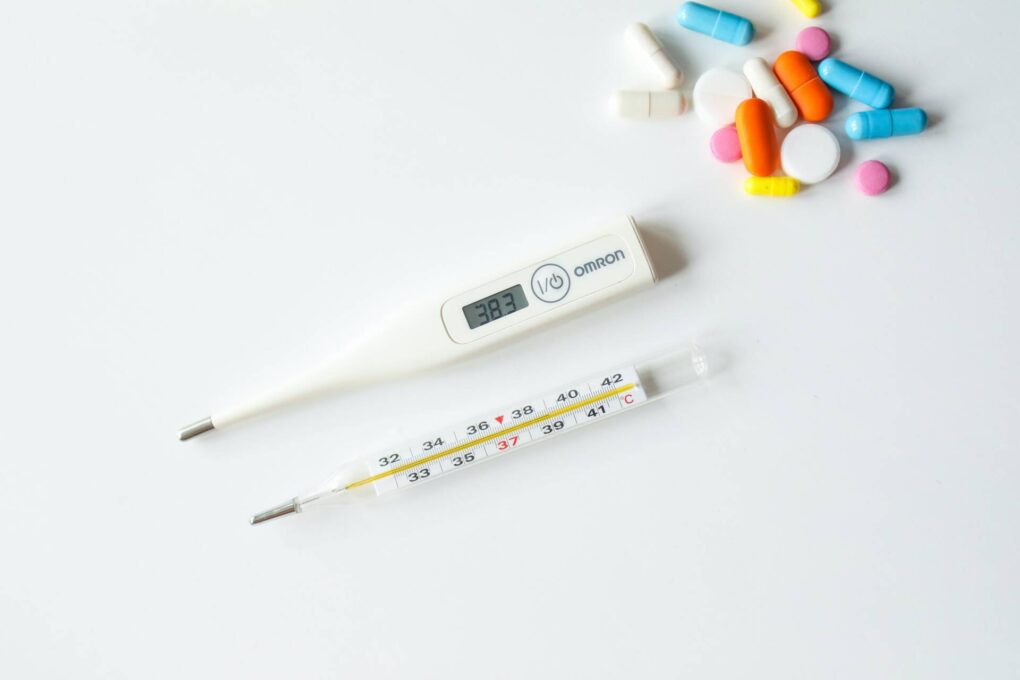
Familiarize yourself with the common symptoms of the flu, including fever, cough, sore throat, and body aches. If your child develops flu-like symptoms, it’s important to monitor their condition closely. Keep a digital thermometer at home to check their temperature if they feel unwell. If you suspect the flu, contact your healthcare provider for guidance on symptom management and whether antiviral medication is appropriate.
It’s crucial to be aware of any updates or advisories related to flu outbreaks in your community. Stay informed about school or daycare policies regarding illness and flu vaccinations to ensure you’re taking appropriate precautions.
9. Know When to Seek Urgent Care:
While prevention is crucial, sometimes illnesses can’t be avoided. If your child exhibits severe flu symptoms or experiences complications such as difficulty breathing, persistent high fever, or dehydration, it’s time to seek urgent care. Urgent care centers are equipped to handle a wide range of medical issues, and they can provide prompt care when your child needs it most. Before visiting an urgent care facility, call ahead to ensure they can provide the necessary care and inquire about any COVID-19 precautions in place.
Understand the difference between urgent care and emergency care. Urgent care centers are suitable for non-life-threatening illnesses and injuries, while emergencies such as severe breathing difficulties or severe injuries require immediate attention at an emergency room.
10. Stay Home When Sick:
Teach your child the importance of staying home when they’re not feeling well. This not only prevents the spread of illness to others but also allows them to rest and recover more quickly. Emphasize that staying home when sick is a responsible and considerate choice to protect their classmates, friends, and family members from getting sick as well.
If your child becomes ill, create a comfortable space for them to recover at home. Ensure they have access to plenty of fluids, rest, and entertainment to keep them occupied during their recovery period. Keep them engaged with age-appropriate activities and encourage them to catch up on schoolwork once they are feeling better.
Conclusion:
Keeping your children healthy during flu season requires a combination of quick fixes and healthy habits. By encouraging good hygiene practices, maintaining a balanced diet, and promoting regular exercise, you can strengthen their immune system. Additionally, staying informed about flu symptoms and knowing when to seek care from urgent care centers are vital aspects of keeping your child illness-free. With these measures in place, you can navigate the upcoming flu season with confidence and ensure the well-being of your family.
Guest post from Jennifer Bell, a mother of two, a wellness coach, and a writer for urgent care telehealth companies.
Thank you for reading - if you enjoyed this content, please consider buying me a coffee here or browse my Amazon wishlist I really appreciate your support and it helps to keep the site running and for my time 🙂