
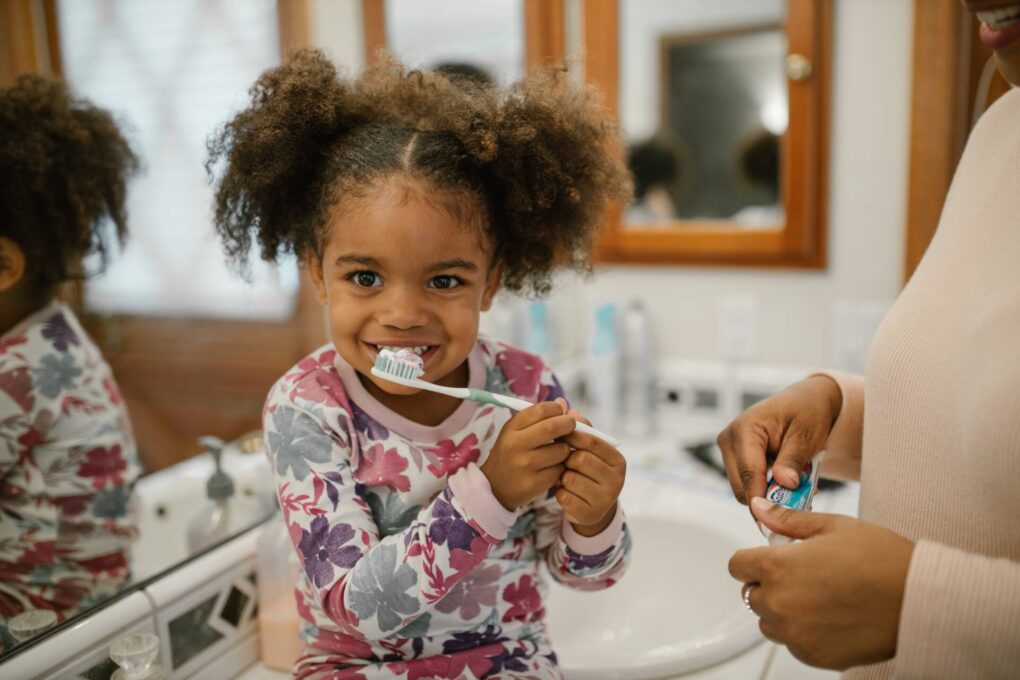
As a parent, you want to do everything in your power to make sure that your children are growing up healthy. One of the best ways to do this is by making sure they have a healthy oral hygiene routine. This routine should include brushing their teeth twice a day morning and evening with an appropriate toothbrush and toothpaste.
Oral health is an important part of overall health. It is linked to many other aspects of our lives, such as emotional and physical well-being.
Gum disease and periodontal disease are the two main types of oral health problems that people experience. The first one refers to inflammation of the gums and bone around teeth, while the second one refers to inflammation of the tissues that support teeth. These diseases can cause serious problems for your teeth and gums, but they are easy to prevent with routine care at home and by visiting your dentist regularly.
When to start brushing their teeth

As soon as those first parts of teeth appear in the gums, start brushing! You should not use toothpaste with your baby or toddler because their gums are sensitive and they have less saliva production compared to adults which lack the protective properties of saliva against bacteria in the mouth. You only need to use a soft brush to gently brush these emerging teeth. When the teeth start appearing, use a rice grain-sized amount of toothpaste suitable for their age group. Most supermarkets and chemists stock baby toothpaste and toothbrushes.
What Is The Best Toothpaste for Kids?
The best toothpaste for kids is a fluoride-free, natural teeth whitener. It should be safe for their developing teeth and not contain any artificial sweeteners or flavors.
Tubes of toothpaste with fluoride are not recommended for children under the age of 3 because they can develop fluorosis, a condition that causes tooth discoloration and pitting of the teeth. Fluoride-free toothpaste is also better for children’s developing teeth and has been shown to be just as effective at preventing cavities.
What is the best Toothbrush for Children?
There are two different types of toothbrushes for kids: manual and electric. A manual brush is a great option for kids who are not old enough or mature enough to use an electric brush. Manual brushes are also better for those with sensitive teeth or gums because they don’t have the same pressure as an electric brush does. Electric brushes, on the other hand, can be more expensive than manual brushes but they’re also easier for kids to use because they’re battery-powered and their teeth and gums will be brushed better. Either brush should have soft bristles that are gentle on their gums.
Teaching Your Children to Brush Properly with a Healthy Routine
Brushing Tips for Young Children
Brushing your teeth is necessary to prevent cavities (fillings) and tooth decay. But it can be difficult for toddlers to brush their teeth properly because they lack the coordination, dexterity, and strength in their hands.
The best way to brush your young child’s teeth is by using a small amount of toothpaste on their toothbrush – a pea-sized blob is a general guide. You should also talk with them while you’re brushing their teeth to distract them from the brushing process. You could come up with a special tooth brushing song together and sing it every time so they get used to the routine. There are lots of apps available now that you can even get to sync with your toothbrush that show videos and games on the device when your child brushes! They are good, but you don’t need them. Make it part of your daily routine and brush together as a family. Your child will want to do what you do and if it is the normal thing to do they won’t have a problem.
Some people say that the best way to brush a child’s teeth is to start with the front and work back, while others say that it is better to start at the back and work towards the front.
The first thing you need to do when brushing your child’s teeth is to make sure their mouth is open wide enough for you to brush all of their teeth. If they are struggling with this, it might be a good idea for them to use a mirror in order for them to see what they are doing. A lot of children find it easier if they can watch as their parent brushes their teeth.
If they don’t like the toothpaste or toothbrush, explore other options, but don’t let them keep avoiding the situation. Gently persist, and assist them when they are too young. I always let mine do their own first, then we helped them with the hard-to-reach parts. I think they were about 8 or so when I trusted them to do it themselves without any assistance. Use a step stool so they can reach the sink to spit and rinse.
The Importance of Flossing Your Teeth Daily with a Child’s Flossing Routine
Flossing your teeth can be a difficult task for children. However, it is still important to teach them the importance of flossing their teeth and to make sure that they are flossing on a daily basis.
Here are 3 reasons why your child needs flossing too – and how to do it right!
1. Flossing can help with gum disease:
Gum disease is an infection of the gums caused by plaque buildup. It’s common in adults, but children can get it too! Flossing helps reduce the number of bacteria in the mouth that causes gum disease.
2. Flossing can prevent cavities:
Cavities are holes in teeth caused by tooth decay when bacteria break down sugars and starches leading to acid-producing reactions, which dissolve the enamel.
3. Tooth decay:
Flossing can help prevent tooth decay from happening, by breaking the chain of bacteria build-up.
A toddler’s flossing routine should be simple, quick, and easy. It should also be fun so that they will want to do it on their own without any help from parents or other adults.
Should I use mouthwash for children?
Some people believe that children should use mouthwash to prevent tooth decay. However, the American Dental Association does not recommend using mouthwash for children.
The ADA believes that mouthwash can cause more harm than good in children. Mouthwash has alcohols, which can dry out the mouth and lead to cavities. Children are more prone to cavities because their teeth are still developing and they have a higher chance of swallowing toothpaste or mouthwash.
How to Prevent Tooth Decay and Gingivitis in Children
The causes of tooth decay in children are often a result of a diet high in sugar. This can lead to fillings (cavities) that can cause pain and discomfort.
Gum disease is caused by bacteria that enter the gums through cracks or small cuts. This bacteria then leads to inflammation, soreness, and bleeding gums.
The best way to prevent tooth decay is by limiting sugar intake and brushing teeth after eating sugary foods or drinking sugary drinks. For gum disease prevention, it is important to maintain good oral hygiene practices like brushing teeth twice a day with fluoride toothpaste, flossing once a day, and rinsing the mouth with water after meals and snacks.
Conclusion
It is important for children to have healthy brushing habits from an early age. This will help them develop a habit that they can carry with them throughout their lives. Find a routine and system that works for you as a family and include flossing too.
Disclosure: collaborative post
Thank you for reading - if you enjoyed this content, please consider buying me a coffee here or browse my Amazon wishlist I really appreciate your support and it helps to keep the site running and for my time 🙂