
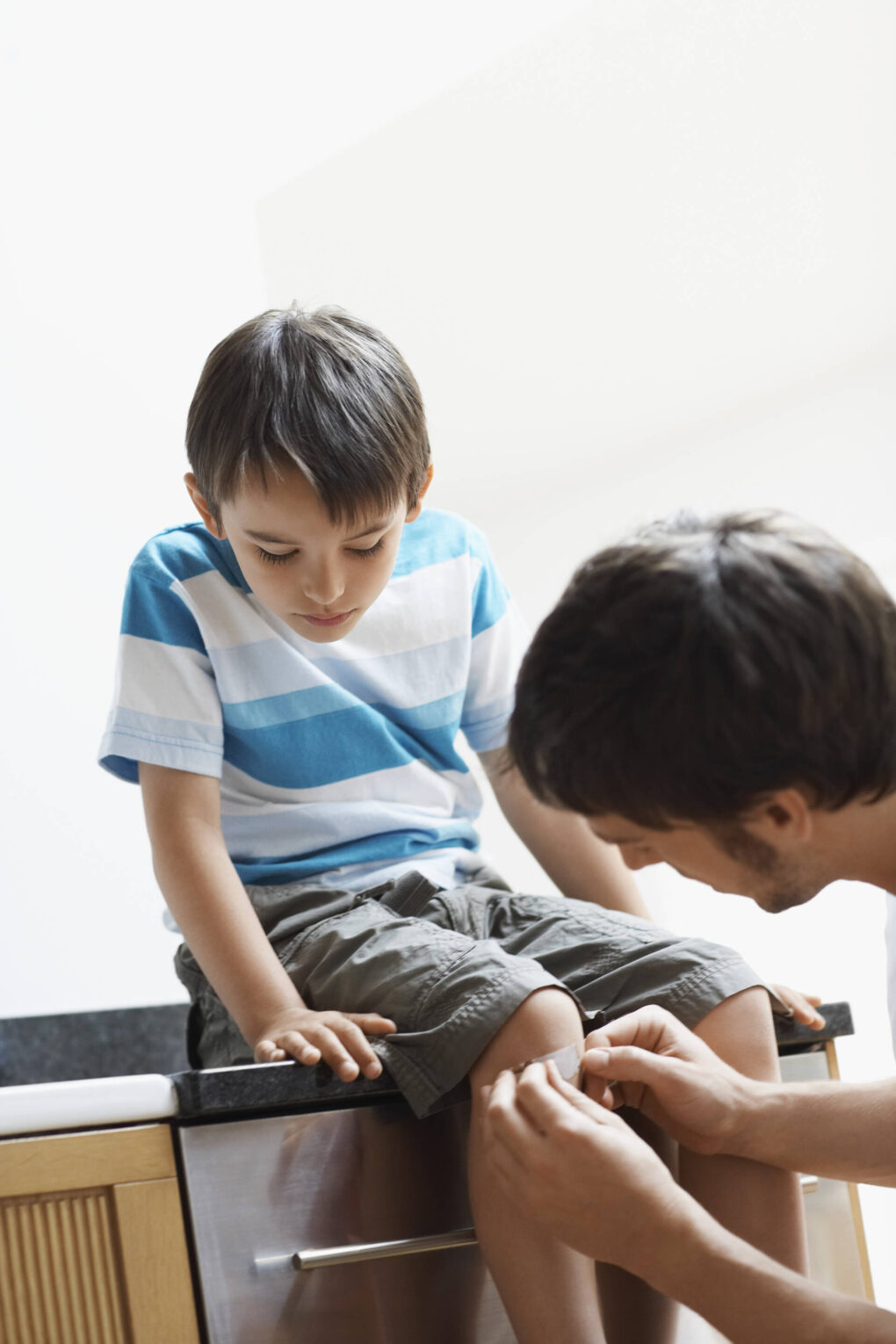
Sponsored Post with Elastoplast
I’m the sort of parent that doesn’t run immediately to their child when they fall down, and they have to be bleeding or seriously limping to get my attention – it must be because I’m a nurse and 9 times out of 10 I’ve seen worse. My husband is more sympathetic than me so we make a good balance together. When they have truly hurt themselves though, I am all for giving the wound the best chance to heal and prevent infection.
How likely is it for a wound to become infected?
Infections are in fact the most common barrier to wounds healing quickly and they are not as rare as people think – up to 50% of acute wounds become infected. With many further myths around the best way to treat wounds, it can be unclear just how we’re supposed to be treating and looking after our skin to help it heal.
Why use silver?
Silver has proven healing properties and has been used as a healing agent since Hippocrates’s time. The leaders in wound care, Elastoplast, use antibacterial silver in their dressings range to provide optimal healing conditions for medium to large everyday wounds.
First things first
If anyone in the family cuts themselves, the first thing to do is stem any active bleeding by applying pressure to the wound. Firm pressure will encourage the blood vessels to clot and stop the bleeding. It can be difficult with a wriggling child, so use your judgement depending on how the wound is acting.
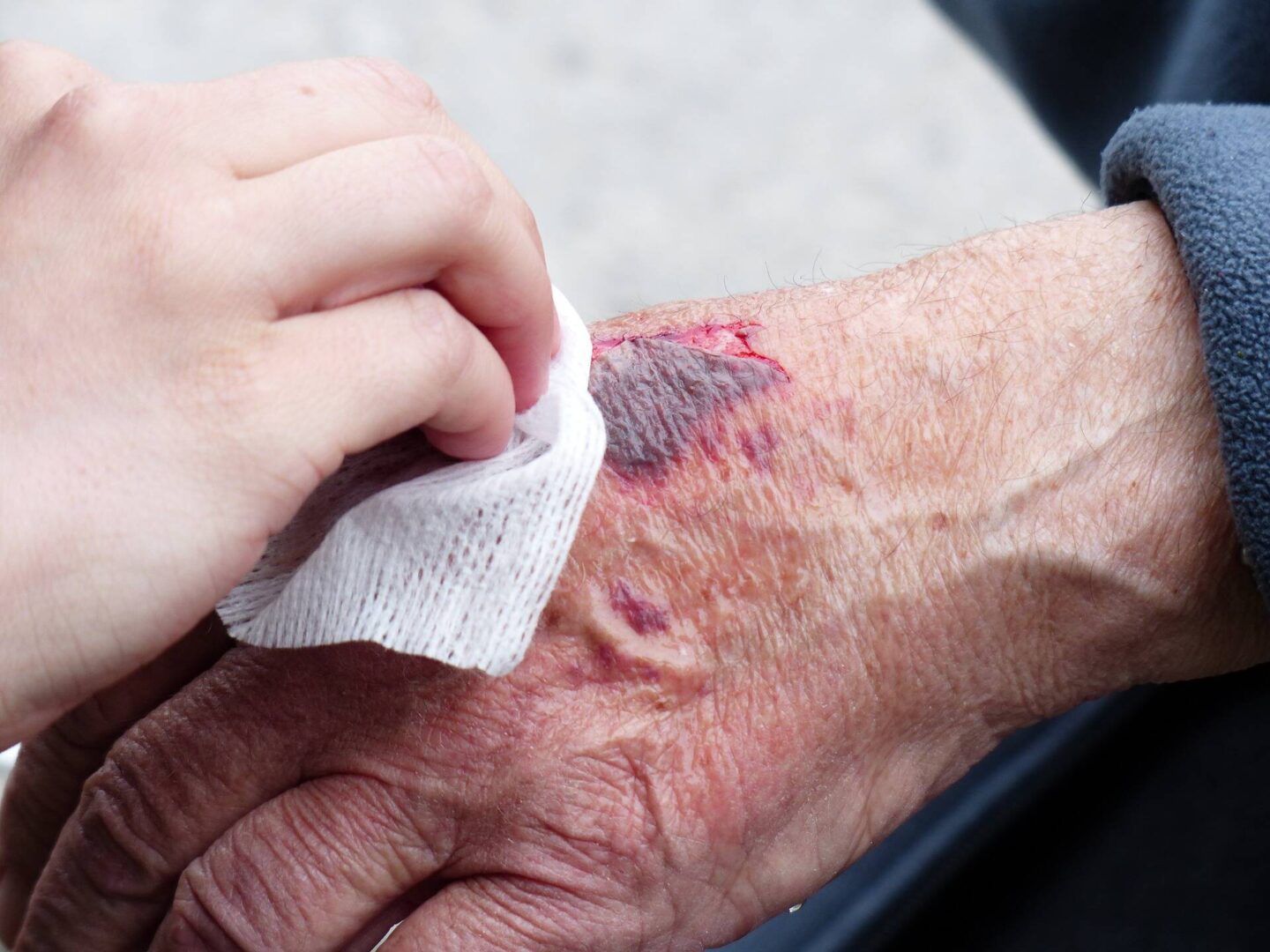
Next, clean it as thoroughly as you can, to prevent bacteria from entering. The skin is our natural barrier against infection, but once that barrier is broken, it provides a gateway into the bloodstream for bacteria to enter. I know we’re all worried about a particular virus right now (one that shall not be named), but our old friend bacteria is still right up there on the worry list.
Clean the wound with normal tap water – warm water is fine, don’t use soap or alcohol gel because they can sting and don’t provide any benefit. You can use a wound cleansing spray like Elastoplast wound cleansing spray to cleanse from dirt and visible particles. If you have some saline sachets or wound cleansing wipes in a first aid box, use those. Always keep a first aid box in the home and in your car.
Once clean and dry, assess the wound and see if it needs a dressing. It’s a good idea to use some sort of dressing once the skin is broken to prevent infection. On older adults, their skin will take longer to heal and are more susceptible to infection, so a dressing is advised. Elderly people’s skin is very fragile and the slightest knock can bruise and break the skin. Protecting it with a dressing is their best option to prevent further damage and infection.
Elastoplast Antibacterial XL and XXL Dressings are sterile wound dressings for the protection of medium to large everyday wounds. The extra-large wound pad contains antibacterial silver for optimal healing conditions, making it ideal for cuts, abrasions (scrapes), or minor post-operative wounds, providing a sustained release of silver ions whilst the dressing is in place.
What are silver ions and what do they do?
Silver ions, also known as charged atoms, are highly reactive and can interact with a variety of functional parts of the bacterial cells. When used on wounds this can interrupt cell growth, preventing infections starting and spreading. They also help to increase the rate of healing, helping to restore the surface tissue, and also reduce wound inflammation, compared to using treatment without silver.
The plasters come in two variants to address different needs; Sensitive, with skin-friendly and breathable material or Waterproof, with a flexible film and strong adhesion. The Elastoplast Antibacterial XL Dressings sensitive or waterproof have a recommended retail sale price of £3.60 for five dressings; The Elastoplast Antibacterial XXL Dressings sensitive or waterproof have a recommended retail sale price of £4.85 for five dressings. They are available nationwide at key UK supermarkets and pharmacy outlets.

The dressings are definitely worth keeping in your first aid box, along with your other essentials. I am loving my electronic thermometer at the moment, it’s so much easier than my old one that I had to put under their arm for 2 minutes. My next favourite is paracetamol and ibuprofen, for children and adults. If you’ve got those basics you’ll do well. If you’re ever unsure, seek help from your GP or phone 111.
Thank you for reading - if you enjoyed this content, please consider buying me a coffee here or browse my Amazon wishlist I really appreciate your support and it helps to keep the site running and for my time 🙂
1 Comment
I agree, Silver is a fantastic antibacterial aid. Unfortunately, my son is allergic to plasters, so we have to use soft bandages instead which can be tricky on small cuts!! I do keep colloidal silver spray in the first aid cupboard and spray it on the wound. It works well, and has the advantage of not stinging at all, which is great for sensitive little ones. Great post, lots of lovely information. Thank you.
November 16, 2020 at 2:16 pmCaroline Mentzer recently posted…Nutty Quinoa Granola Bar