
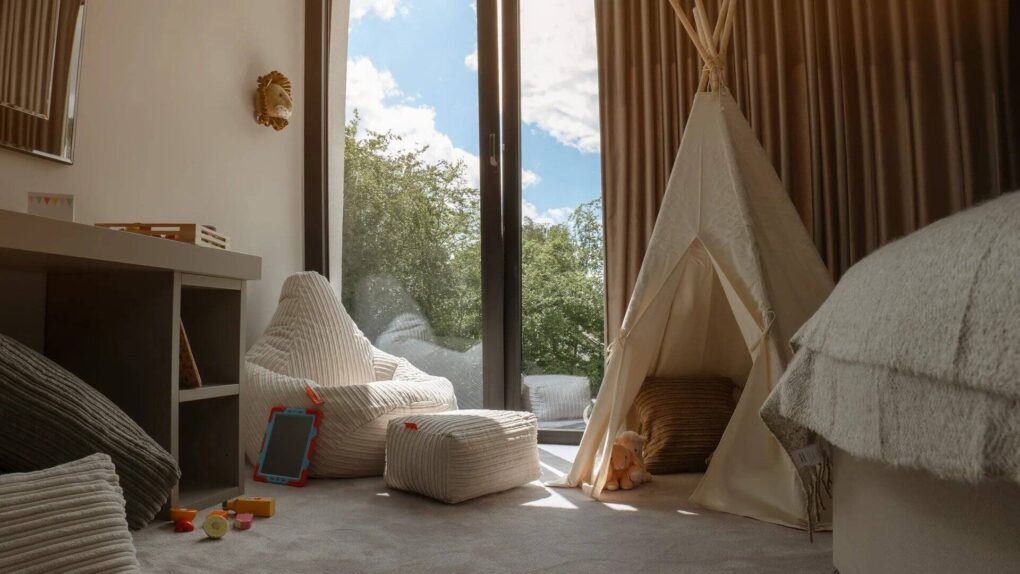
Picture credit: Big Bertha Original
The teenage years can be a whirlwind of emotions, experiences, and self-discovery. For neurodivergent teens like mine (I have a 14-year-old with Autism and ADHD and a soon-to-be 13-year-old with inattentive ADHD), navigating this transition can present unique challenges. Sensory furnishings and accessories, such as extra-large bean bags, can play a significant role in supporting their comfort and well-being. In this article, we’ll explore how these items benefit neurodivergent teenagers and why they are essential additions to any environment. It’s worth noting that it isn’t a one-size-fits-all approach, you know your child the best, and let them guide you to what works best for them.
Understanding Neurodiversity: A Spectrum of Uniqueness
Neurodiversity refers to the wide range of variations in the human brain. It encompasses conditions such as autism, ADHD, sensory processing disorders, and more. Neurodivergent individuals have unique strengths, challenges, and sensory needs. Sensory-friendly environments are crucial to their comfort and overall well-being. Imagine having a pin inside your sock for the whole day and not being able to remove it, but you have to carry on with your day-to-day activities. For example, for some children, if their socks have a seam in them, it feels like that pin for you does.
The Benefits of Sensory Furnishings
Comfort and Security
Extra-large bean bags, with their plush, accommodating design, provide a cozy and secure space for neurodivergent teens. The softness and enveloping feeling create a calming effect, helping to alleviate anxiety and stress.
Sensory Stimulation and Regulation
Many neurodivergent individuals have sensory sensitivities. Sensory-friendly furnishings and accessories, like soft blankets, squishy cushions, and coloured lights can offer gentle tactile stimulation and proprioceptive feedback, assisting with sensory regulation. The ability to touch and manipulate the fabric can have a soothing effect.
Flexibility and Versatility
Bean bags are versatile pieces of furniture that can be adapted to suit individual needs. Teens can choose to sit, lounge, or lie down, making it easy to find a comfortable position that suits their sensory preferences. Extra large cushions work in the same way. Adjustable chairs and different lighting options help too.
Privacy and Personal Space
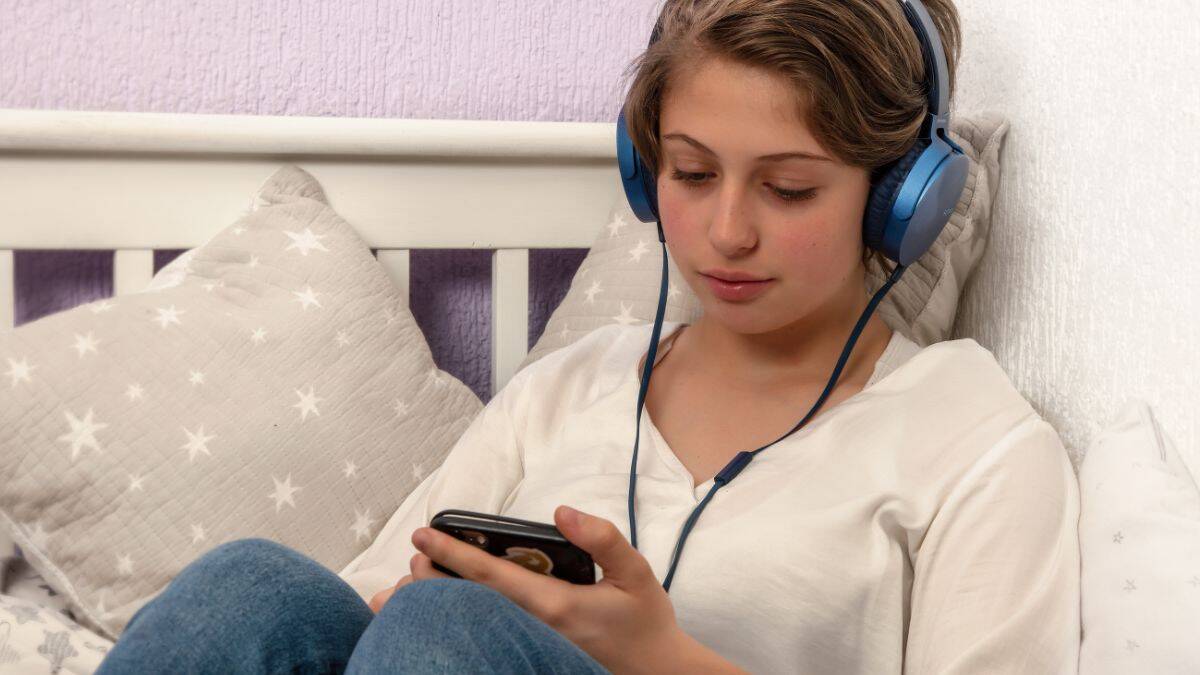
In crowded or noisy environments, neurodivergent teens may seek personal space. Large bean bags can act as a portable sanctuary, offering a secluded spot to retreat to when needed. I find that headphones and earplugs can block out unnecessary sounds and background noise when needed. It was so important for us to create a space individual to each child they could retreat to.
Stress Reduction and Relaxation
The gentle rocking or swaying motion that bean bags allow can help alleviate stress and promote relaxation. This subtle movement can be especially calming for those with sensory sensitivities. The right environment in their space can aid stress reduction and improve relaxation.
Improved Focus and Productivity
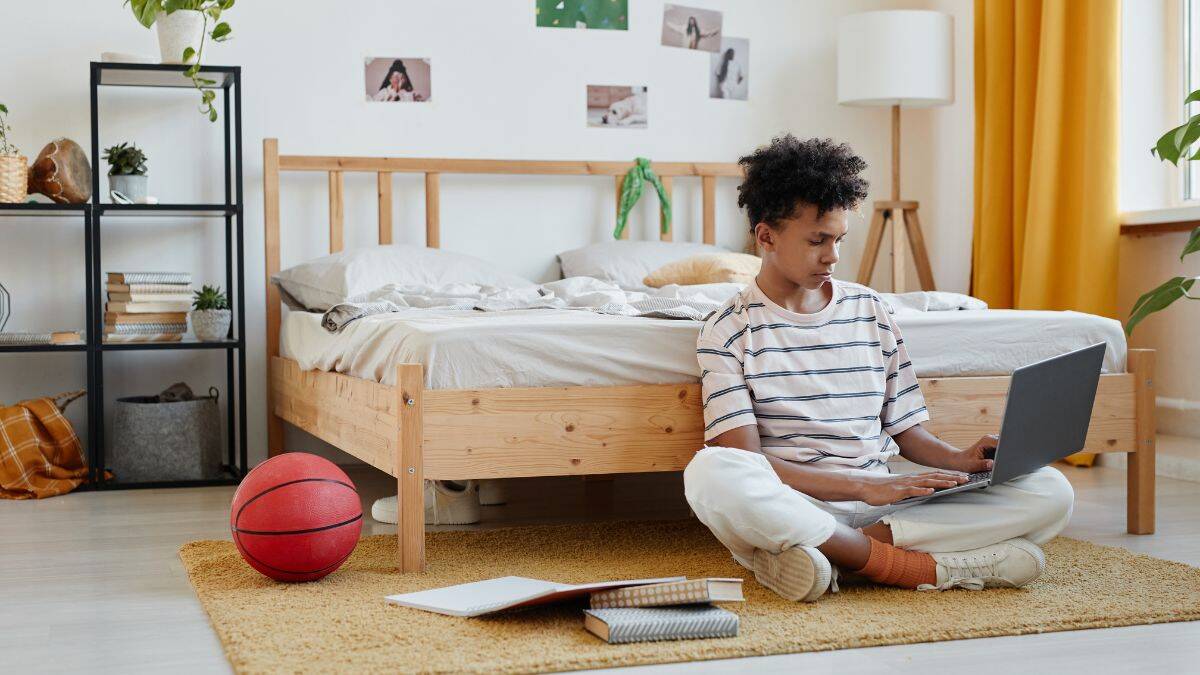
By providing a comfortable and sensory-friendly seating option, bean bags can contribute to improved focus and productivity, whether used for studying, reading, or engaging in hobbies. Alternatively, the right chair that can be adapted to suit will enhance focus. Even with all that, they still might choose to sit cross-legged on the floor, and that’s just what they need at that moment.
Creating Sensory-Inclusive Spaces
To create an environment that supports neurodivergent teens, consider the following tips:
- Choice and Control: Allow teens to select their sensory-friendly furnishings and accessories. This empowers them to take control of their environment.
- Customization: Encourage personalization with soft blankets, cushions, and fidget toys. These can be combined with extra-large bean bags to create a tailored sensory space.
- Quiet Zones: Designate quiet zones in communal areas, equipped with sensory furnishings, for moments of solitude or relaxation.
- Lighting and Sound: Pay attention to lighting and sound control, as both can greatly impact sensory experiences. Soft lighting and noise-canceling features can be valuable additions.
- Communication: Open communication is vital. Encourage teens to express their sensory preferences and needs, ensuring that their comfort is a priority.
Conclusion: A More Inclusive Environment
Sensory furnishings and accessories, particularly extra-large bean bags, play an integral role in creating a more inclusive and supportive environment for neurodivergent teenagers. These items offer a sense of comfort, security, and sensory regulation that can make a significant difference in their daily lives. By acknowledging and embracing neurodiversity, we can foster a more compassionate and understanding world for everyone.
Disclosure: collaborative post
Thank you for reading - if you enjoyed this content, please consider buying me a coffee here or browse my Amazon wishlist I really appreciate your support and it helps to keep the site running and for my time 🙂
1 Comment
I had never thought of this before, but do love soft furnishings and how they make a room, my daughter loves herr bean bags
October 30, 2023 at 2:55 pm