
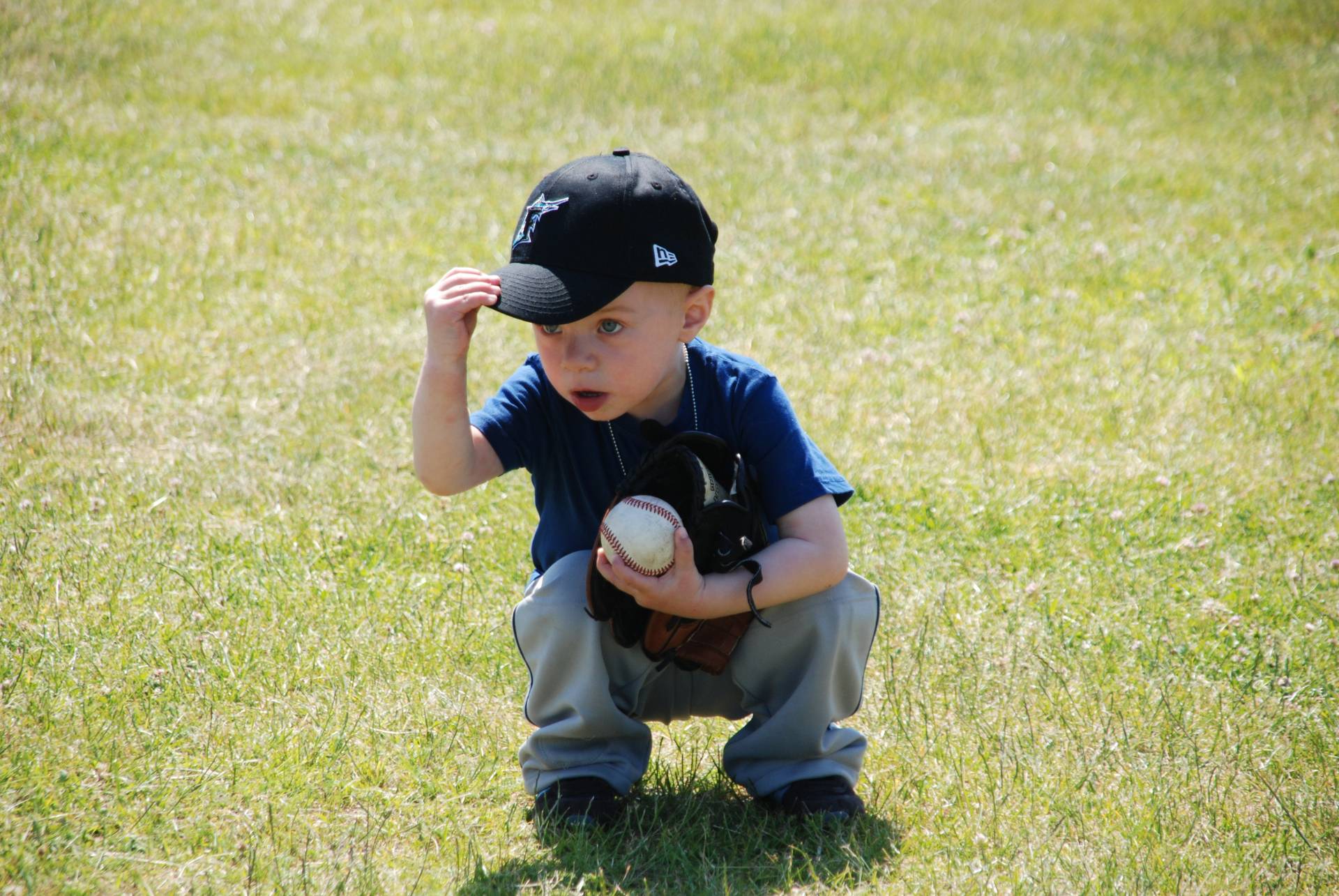
The world we live in means that children tend to spend a lot more time in front of screens than ever before (and in fact, adults aren’t immune to that problem either). And of course, technology does have its place and it does have its benefits, but this has also meant that children are leading more sedentary lives than they did in the past, and that’s not great – in fact, it’s pretty bad. Let’s take a look at why movement is important for children so you can help your kids do more of it and have less screen time; read on to find out more.

Physical Health And Development
One very important reason why movement is so important for children is that it’s good for their physical health, and that makes a lot of sense – after all, regular physical activity helps build strong bones and muscles, improves the heart’s health, and ensures they can stay at a healthy weight for their size (everyone is going to be different in this regard, of course). These benefits are important to everyone, but perhaps especially children because that’s a critical time in their growth and development. On top of that, children who regularly take part in physical activities like running or playing sports or even just playing outside tend to be less likely to develop chronic conditions like obesity, high blood pressure, and type 2 diabetes.
For type 1 diabetes children, movement is even more important – regular physical activity helps manage blood sugar levels, improves insulin sensitivity, and reduces the risk of complications that can come with type 1 diabetes, so encouraging them to move around more is vital.
Mental Health And Wellbeing
Movement isn’t just good for the body, it’s good for the mind too; physical activity has been shown to reduce symptoms of anxiety and depression in children, and it can help improve mood, reduce stress, and essentially increase overall feelings of wellbeing. When children move, their brains release endorphins, which are natural mood lifters, so they’ll instantly feel great, and that feel lasts long after the exercise has ended too.
Plus, regular physical activity can help improve sleep, which is vital for mental health and a healthy brain in general. Since when children get enough rest they’re able to concentrate better, learn more, and perform better in school, it all links up and it’s easy to see how important it is.
Social Skills And Confidence
There’s yet another benefit of movement for kids, and it’s especially true when it comes to group activities like sports or dance – it’s that it can help them develop essential social skills. They learn teamwork, cooperation, communication, and many other things as they work and play together (plus, they’ll often be working towards a common goal, especially if they’re playing a sport).
The great thing about all this is that it means they’ll be able to make friends more easily because they’ll be able to interact with others better – and they’ll develop better self-esteem because they’ll see how much they’re improving the more they take part.
Disclosure: collaborative post
Thank you for reading - if you enjoyed this content, please consider buying me a coffee here or browse my Amazon wishlist I really appreciate your support and it helps to keep the site running and for my time 🙂