
Disclosure: collaborative post
As well as having to make decisions about your birth itself in the lead-up to a new baby, the chances are that you’ll have at least a few conversations with your midwife about your feeding preferences. In most cases, your midwife will take this chance to talk to you about a few of the benefits that breastfeeding where possible could have for you and your baby but, when you head home and search online for yourself, it’s all too easy to get bogged down in breastfeeding myths that can altogether overwhelm or override whatever your midwife might have told you.
Obviously, every mother should be free to decide for herself how she feeds her baby, but for mothers who would like to try breastfeeding and feel unable to do so because of those mistruths, it’s important to realise that, often, they simply have no grounding in fact. To prove it, we’re going to consider the most common breastfeeding myths, and why exactly they’re never worth listening to.

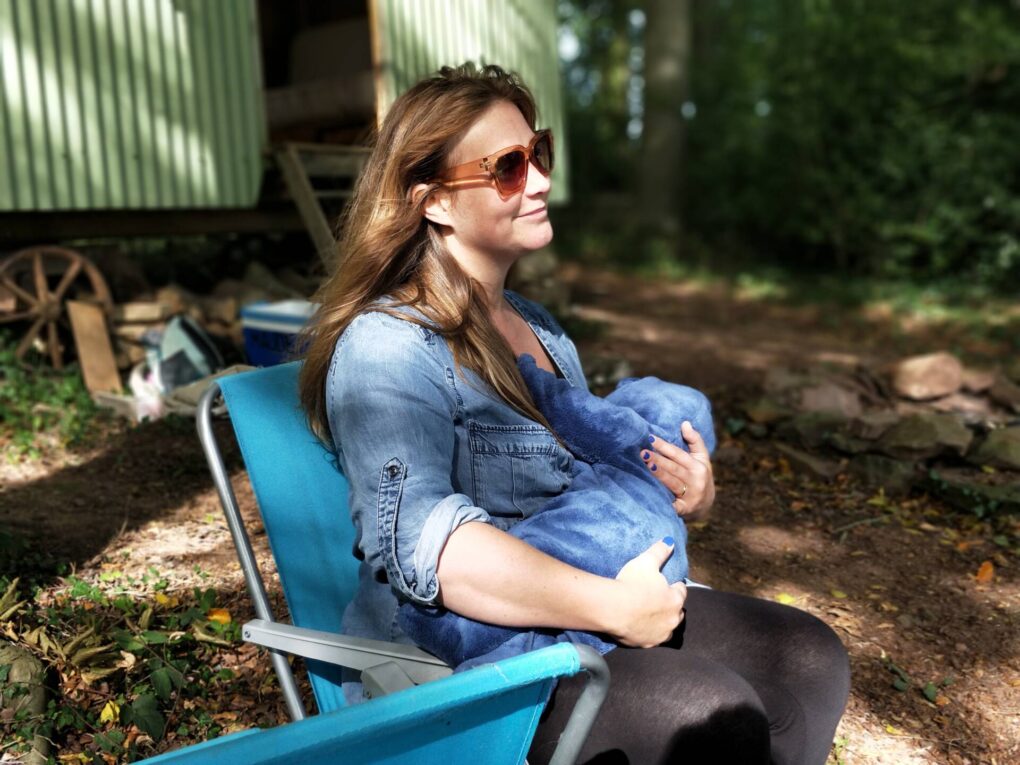
Image by Dave Clubb: CC0 License
Myth 1 – Milk quality changes with the quality of your diet
Obviously, a high-quality diet is best during breastfeeding to provide mum with the nutrients and energy that she needs to manage this extra milk production but, in terms of breastmilk itself, vital nutrients and other health benefits are a natural byproduct of human milk production, and happen regardless of whether or not you ate a takeaway last week.
Myth 2 – You have to drink milk to make milk
Many mums believe that milk consumption is a prerequisite of milk production, a fact that gives mums with lactose intolerance, especially, significant concerns around whether or not their babies are getting enough calcium. If you’re in this position, it is important to remember that it’s easy to fix your lactose intolerance if you personally feel the need to increase your milk consumption, but there’s nothing to say that lower milk intake is a problem, especially if you eat alternative calcium sources like broccoli and spinach.
Myth 3 – Mums should avoid certain foods
Well-meaning relatives may tell you that nuts, spice, and even grapes should be avoided during breastfeeding. However, studies have now shown that early exposure to allergens through breast milk can actually be beneficial, especially considering that just 1% of breastfed babies experience allergic reactions as a result of milk consumption. Only in the case of symptoms such as a rash or unusual bowel movements after a feed does a mother need to even think about cutting foods out of her diet.
Breastfeeding is by no means easy, and whether a mother manages it for a few hours after birth or the first one to two years, she should be proud of her achievement. However, the myths that circulate around what breastfeeding mothers can and can’t do make an already difficult task far harder. Do yourself and your baby a favour by busting those myths early on, and focusing on a quality journey that you can both enjoy for however long it lasts.
Thank you for reading - if you enjoyed this content, please consider buying me a coffee here or browse my Amazon wishlist I really appreciate your support and it helps to keep the site running and for my time 🙂